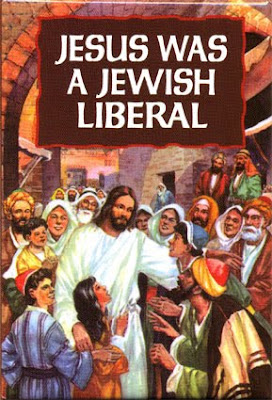
The Coalition for secular government is, I think the argument we can ALL agree is a radical form of secularism. Taken to some conclusions that are neither logical nor reasonable.
A clearer understanding comes from the following
In political terms, secularism is a movement towards the separation of religion and government (often termed the
separation of church and state). This can refer to reducing ties between a government and a
state religion, replacing laws based on scripture (such as the
Torah and
Sharia law) with civil laws, and eliminating discrimination on the basis of religion. This is said to add to democracy by protecting the rights of religious minorities.
http://en.wikipedia.org/wiki/Secularism#cite_note-10
Secularism is often associated with the
Age of Enlightenment in Europe and plays a major role in
Western society. The principles, but not necessarily practices, of
separation of church and state in the United States and
Laïcité in
France draw heavily on secularism. Secular states also existed in the
Islamic world during the
Middle Ages (see
Islam and secularism).
http://en.wikipedia.org/wiki/Secularism#cite_note-11
Due in part to the belief in the separation of church and state, secularists tend to prefer that politicians make decisions for secular rather than religious reasons.
http://en.wikipedia.org/wiki/Secularism#cite_note-12 In this respect, policy decisions pertaining to topics like
abortion,
contraception,
embryonic stem cell research,
same-sex marriage, and
sex education are prominently focused upon by American secularist organizations such as the
Center for Inquiry.
http://en.wikipedia.org/wiki/Secularism#cite_note-13http://en.wikipedia.org/wiki/Secularism#cite_note-14
Most major religions accept the primacy of the rules of secular, democratic society but may still seek to influence political decisions or achieve specific privileges or influence through church-state agreements such as a
concordat. Many Christians support a secular state, and may acknowledge that the conception has support in Biblical teachings, particularly Jesus' statement, "Then give to Caesar what is Caesar's, and to God what is God's."
http://en.wikipedia.org/wiki/Secularism#cite_note-15 (See
article). However, some
Christian fundamentalists (notably in the United States) oppose secularism, often claiming that there is a "radical secularist" ideology being adopted in current days and see secularism as a threat to "Christian rights"
http://en.wikipedia.org/wiki/Secularism#cite_note-christianpost-jerrys-kids-16 and national security.
http://en.wikipedia.org/wiki/Secularism#cite_note-positiveatheism-foulwel-17 The most significant forces of religious fundamentalism in the contemporary world are
Fundamentalist Christianity and
Fundamentalist Islam. At the same time, one significant stream of secularism has come from religious minorities who see governmental and political secularism as integral to preserving equal rights.
http://en.wikipedia.org/wiki/Secularism#cite_note-18
Some of the well known states that are often considered "
constitutionally secular" are
USA,
http://en.wikipedia.org/wiki/Secularism#cite_note-19 France,
India,
http://en.wikipedia.org/wiki/Secularism#cite_note-20 Mexico http://en.wikipedia.org/wiki/Secularism#cite_note-21 South Korea, and
Turkey although none of these nations have identical forms of governance.

 apart from you must be reading a different Bible to me!!