B

Believing on his name
- Thread starter LeeLoving
- Start date
-
Christian Chat is a moderated online Christian community allowing Christians around the world to fellowship with each other in real time chat via webcam, voice, and text, with the Christian Chat app. You can also start or participate in a Bible-based discussion here in the Christian Chat Forums, where members can also share with each other their own videos, pictures, or favorite Christian music.
If you are a Christian and need encouragement and fellowship, we're here for you! If you are not a Christian but interested in knowing more about Jesus our Lord, you're also welcome! Want to know what the Bible says, and how you can apply it to your life? Join us!
To make new Christian friends now around the world, click here to join Christian Chat.
You are using an out of date browser. It may not display this or other websites correctly.
You should upgrade or use an alternative browser.
You should upgrade or use an alternative browser.
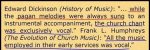
B
Believer08
Guest
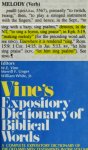
B
Believer08
Guest
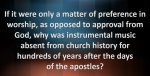
B
Believer08
Guest
K
keepingthingsreal
Guest
That was not under the Old Covenant. It preceded the Old Covenant, so stop kidding yourself.Miriam isn’t the authority on how to worship. Do you use timberals and dance like all the women who went after her did? If not, why not? Do you use the same kind of timberals? That is Old Testament worship. Not New Testament worship. We are under the New Covenant. Not the Old.

Folks in the church of Christ are legalistic about salvation so I'm not surprised they are legalistic about musical instruments as well. Ephesians 5:19 says "..speaking to one another with psalms, hymns and spiritual songs.." and correspondingly Colossians 3:16 says to, "..admonish one another with psalms, hymns and spiritual songs."That was not under the Old Covenant. It preceded the Old Covenant, so stop kidding yourself.
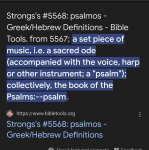
The word "psalm" in the Greek dictionary, definition (#5568): "A set piece of music, i.e. a sacred ode (accompanied with the voice, harp, or other instrument)." The root word of psalm means "to twitch, twang or pluck," such as pluck a string of a musical instrument."
http://biblehub.com/greek/5568.htm
https://www.bibletools.org/index.cfm/fuseaction/Lexicon.show/ID/G5568/psalmos.htm

K
keepingthingsreal
Guest
I truly feel sorry for these people, and especially the one whose post was loaded with exclamation points and a warning that I had fallen from grace.Folks in the church of Christ are legalistic about salvation so I'm not surprised they are legalistic about musical instruments as well. Ephesians 5:19 says "..speaking to one another with psalms, hymns and spiritual songs.." and correspondingly Colossians 3:16 says to, "..admonish one another with psalms, hymns and spiritual songs."
The word "psalm" in the Greek dictionary, definition (#5568): "A set piece of music, i.e. a sacred ode (accompanied with the voice, harp, or other instrument)." The root word of psalm means "to twitch, twang or pluck," such as pluck a string of a musical instrument."
http://biblehub.com/greek/5568.htm
https://www.bibletools.org/index.cfm/fuseaction/Lexicon.show/ID/G5568/psalmos.htm
View attachment 273255
These people need a lot of help.
B
Believer08
Guest
Should we use roast lamb on the Lord’s Supper (and Instrumental Music) in Worship?
Arguments for using roast lamb on the Lord’s Supper.
Argument #1 — Lambs were used in Old Testament worship (Numbers 28:3, 9,11,27; 29:2,13), in the Day of Atonement (29:8) and in the Passover (Ex. 12:3-8). Since the Lord’s Supper is a memorial to our atonement by Jesus’s death, Jesus is our Passover Lamb, and since He instituted the Lord’s Supper during the Passover, then why not eat roast lamb as part of the Lord’s Supper with the unleavened bread?
Argument #2 — It would aid our remembrance of the death of Jesus. Jesus was a lamb led to the slaughter (Is. 53:7). He was a lamb who takes away the sin of the world (Jn. 1:29, 36). We are redeemed by His precious blood as a lamb without blemish (1 Peter 1:18-19). He is our Passover who was sacrificed for us (1 Cor. 5:7). So, eating roast lamb would aid in our remembrance of His death.
Argument #3 A slain Lamb is part of worship in heaven (Rev. 5:12-14). A slain lamb was a symbol of Jesus in the worship in heaven. How could it be sinful to use roast lamb symbolizing Jesus on the Lord’s Supper?
Argument #4 We have talents to use for God’s glory (Mt. 25:14-30). We should have the great cooks in our churches to glorify God by their use of talents to make the roast lamb.
Argument #5 Nowhere does God say not to use roasted lamb on the Lord’s Supper. Is there a verse that explicitly forbids using roasted lamb on the Lord’s Supper? If people are against it, would they be considered “legalists” who are binding laws as sins where God has not, thus causing division?
How would you react to this kind of logic?
Evidence Against Using Roast Lamb on the Lord’s Supper
Using roast lamb differs from what God authorized. Every verse that specifies what should be served at the Lord's Supper instructs us to utilize bread and the cup, or fruit of the vine. No verse ever authorizes to use roast lamb.
During the Feast of Unleavened Bread, as they prepared the Passover, Jesus instituted the Lord’s supper (Matt. 26:17-28; Mark 14:22-25; Luke 22:14-21), the bread they were to use would be unleavened (Ex. 12:15), and the drink was “fruit of the vine”. It was specified what they were to use, and we dare not change it.
1 Cor. 10:16-17 The cup of blessing which we bless, is it not the communion of the blood of Christ? The bread which we break, is it not the communion of the body of Christ? For we, though many, are one bread and one body; for we all partake of that one bread.
In 1 Cor. 11:23-29, Paul mentions the bread four times and the cup five times.
There are several passages that state we are to use unleavened bread and fruit of the vine, but none that state or authorize to use roast lamb. If the Lord had wanted us to use roast lamb, would He had not said so? If He did, then why did He not?
The gospel warns us against adhering to human-invented traditions and customs that deviate from what God has revealed.
It matters not what we want or like in worship, as that is irrelevant. What matters is what God wants.
Having roasted lamb during Old Testament worship doesn't demonstrate what God desires now.
Today, we follow Jesus’s New Testament on how to worship and be saved.
Heb. 10:9 Then said he, Lo, I come to do thy will, O God. He taketh away the first, that he may establish the second.
10 By the which will we are sanctified through the offering of the body of Jesus Christ once for all.
Col. 2:14 Blotting out the handwriting of ordinances that was against us, which was contrary to us, and took it out of the way, nailing it to his cross;
15 And having spoiled principalities and powers, he made a shew of them openly, triumphing over them in it.
16 Let no man therefore judge you in meat, or in drink, or in respect of an holyday, or of the new moon, or of the sabbath days
The law was a schoolmaster/tutor to bring us to Christ.
Gal. 3:24 Wherefore the law was our schoolmaster to bring us unto Christ, that we might be justified by faith.
25 But after that faith is come, we are no longer under a schoolmaster.
To accept roast lamb on the Lord’s Supper is to adhere to the law of Moses. Going back to the law for justification for practice is to fall from grace. When you make that choice, you have to keep the entire law. Not just pick and choose.
Gal. 5:3 For I testify again to every man that is circumcised, that he is a debtor to do the whole law.
4 Christ is become of no effect unto you, whosoever of you are justified by the law; ye are fallen from grace.
If we accept roast lamb, then why not other Old Testament practices or laws to follow? Why not circumcision, the Levitical priesthood, animal sacrifices, the holy days and the sabbath?
God was very explicit when He instructed that lambs were to be used in the Old Testament. If roast lamb is still permitted to be used in worship, then where is the New Testament passage for it?
Lamb is not an aid, but an addition to the Lord’s Supper. Anything that merely enables us to carry out God's will is an aid. Even now, we must only do what is consistent with what God has said. If it is different as in changing what God has authorized then it is no longer an aid, but an addition.
Heavenly symbols in Revelation tells us nothing how we are to worship today. Just because something is mentioned in heaven doesn’t mean it’s necessarily authorized to be done on earth.
If we want to literalize Revelation for what we do in worship, then should we put 24 elders with harps in our worship assembly (Rev. 5:8)? What about the four beasts and golden vials full of odours in worship as well (Rev. 58)? How about a voice of many waters (14:2)? Are these to be understood as literal?
Our talents must be used in ways God has authorized. In Matthew 7:21-23, the Jews thought they were using their abilities for God’s glory, but due to them not doing the Father’s will, they were rejected.
Just because people have abilities or talents doesn’t justify the use of using roast lamb on the Lord’s Supper.
We will now examine another practice that is supported by the same reasoning as the one we have just looked at. That practice is instrumental music in worship.
When you understand why roast lamb on the Lord's Supper is wrong, you will also understand why instrumental music in New Testament worship is also wrong.
Arguments for using roast lamb on the Lord’s Supper.
Argument #1 — Lambs were used in Old Testament worship (Numbers 28:3, 9,11,27; 29:2,13), in the Day of Atonement (29:8) and in the Passover (Ex. 12:3-8). Since the Lord’s Supper is a memorial to our atonement by Jesus’s death, Jesus is our Passover Lamb, and since He instituted the Lord’s Supper during the Passover, then why not eat roast lamb as part of the Lord’s Supper with the unleavened bread?
Argument #2 — It would aid our remembrance of the death of Jesus. Jesus was a lamb led to the slaughter (Is. 53:7). He was a lamb who takes away the sin of the world (Jn. 1:29, 36). We are redeemed by His precious blood as a lamb without blemish (1 Peter 1:18-19). He is our Passover who was sacrificed for us (1 Cor. 5:7). So, eating roast lamb would aid in our remembrance of His death.
Argument #3 A slain Lamb is part of worship in heaven (Rev. 5:12-14). A slain lamb was a symbol of Jesus in the worship in heaven. How could it be sinful to use roast lamb symbolizing Jesus on the Lord’s Supper?
Argument #4 We have talents to use for God’s glory (Mt. 25:14-30). We should have the great cooks in our churches to glorify God by their use of talents to make the roast lamb.
Argument #5 Nowhere does God say not to use roasted lamb on the Lord’s Supper. Is there a verse that explicitly forbids using roasted lamb on the Lord’s Supper? If people are against it, would they be considered “legalists” who are binding laws as sins where God has not, thus causing division?
How would you react to this kind of logic?
Evidence Against Using Roast Lamb on the Lord’s Supper
Using roast lamb differs from what God authorized. Every verse that specifies what should be served at the Lord's Supper instructs us to utilize bread and the cup, or fruit of the vine. No verse ever authorizes to use roast lamb.
During the Feast of Unleavened Bread, as they prepared the Passover, Jesus instituted the Lord’s supper (Matt. 26:17-28; Mark 14:22-25; Luke 22:14-21), the bread they were to use would be unleavened (Ex. 12:15), and the drink was “fruit of the vine”. It was specified what they were to use, and we dare not change it.
1 Cor. 10:16-17 The cup of blessing which we bless, is it not the communion of the blood of Christ? The bread which we break, is it not the communion of the body of Christ? For we, though many, are one bread and one body; for we all partake of that one bread.
In 1 Cor. 11:23-29, Paul mentions the bread four times and the cup five times.
There are several passages that state we are to use unleavened bread and fruit of the vine, but none that state or authorize to use roast lamb. If the Lord had wanted us to use roast lamb, would He had not said so? If He did, then why did He not?
The gospel warns us against adhering to human-invented traditions and customs that deviate from what God has revealed.
It matters not what we want or like in worship, as that is irrelevant. What matters is what God wants.
Having roasted lamb during Old Testament worship doesn't demonstrate what God desires now.
Today, we follow Jesus’s New Testament on how to worship and be saved.
Heb. 10:9 Then said he, Lo, I come to do thy will, O God. He taketh away the first, that he may establish the second.
10 By the which will we are sanctified through the offering of the body of Jesus Christ once for all.
Col. 2:14 Blotting out the handwriting of ordinances that was against us, which was contrary to us, and took it out of the way, nailing it to his cross;
15 And having spoiled principalities and powers, he made a shew of them openly, triumphing over them in it.
16 Let no man therefore judge you in meat, or in drink, or in respect of an holyday, or of the new moon, or of the sabbath days
The law was a schoolmaster/tutor to bring us to Christ.
Gal. 3:24 Wherefore the law was our schoolmaster to bring us unto Christ, that we might be justified by faith.
25 But after that faith is come, we are no longer under a schoolmaster.
To accept roast lamb on the Lord’s Supper is to adhere to the law of Moses. Going back to the law for justification for practice is to fall from grace. When you make that choice, you have to keep the entire law. Not just pick and choose.
Gal. 5:3 For I testify again to every man that is circumcised, that he is a debtor to do the whole law.
4 Christ is become of no effect unto you, whosoever of you are justified by the law; ye are fallen from grace.
If we accept roast lamb, then why not other Old Testament practices or laws to follow? Why not circumcision, the Levitical priesthood, animal sacrifices, the holy days and the sabbath?
God was very explicit when He instructed that lambs were to be used in the Old Testament. If roast lamb is still permitted to be used in worship, then where is the New Testament passage for it?
Lamb is not an aid, but an addition to the Lord’s Supper. Anything that merely enables us to carry out God's will is an aid. Even now, we must only do what is consistent with what God has said. If it is different as in changing what God has authorized then it is no longer an aid, but an addition.
Heavenly symbols in Revelation tells us nothing how we are to worship today. Just because something is mentioned in heaven doesn’t mean it’s necessarily authorized to be done on earth.
If we want to literalize Revelation for what we do in worship, then should we put 24 elders with harps in our worship assembly (Rev. 5:8)? What about the four beasts and golden vials full of odours in worship as well (Rev. 58)? How about a voice of many waters (14:2)? Are these to be understood as literal?
Our talents must be used in ways God has authorized. In Matthew 7:21-23, the Jews thought they were using their abilities for God’s glory, but due to them not doing the Father’s will, they were rejected.
Just because people have abilities or talents doesn’t justify the use of using roast lamb on the Lord’s Supper.
We will now examine another practice that is supported by the same reasoning as the one we have just looked at. That practice is instrumental music in worship.
When you understand why roast lamb on the Lord's Supper is wrong, you will also understand why instrumental music in New Testament worship is also wrong.
B
Believer08
Guest
Notice the parallels between the roast lamb and the use of instruments in worship.
Using instruments differs from what God authorized.
In New Testament worship to God, the kind of music is always singing.
Acts 16:25 – In prison, Paul and Silas were praying and singing hymns to God.
Romans 15:9 – Prophets predicted that Gentiles would glorify God and sing to His name.
1 Corinthians 14:15 – I will sing with the spirit and I will sing with the understanding.
Ephesians 5:19 – Speak to one another, singing and making melody in your heart.
Colossians 3:16 – Teaching and admonishing one another in psalms and hymns and spiritual songs, singing with grace in your hearts to the Lord.
Hebrews 2:12 – In the midst of the congregation I will sing praise to You.
Hebrews 13:15 – Let us offer the sacrifice of praise to God, that is, the fruit of our lips, giving thanks to His name.
James 5:13 – Is any cheerful, let him sing psalms.
Notice those verses have the words “sing/singing/sang”. Hebrews 13:15 doesn’t explicitly say those words, but we can infer that’s what is being spoken about due to what it is saying “Let us offer the sacrifice of praise to God, that is, the fruit of our lips, giving thanks to His name.”
Those verses are referring to vocal music. Instrumental music in New Testament worship is an entirely different kind of music than what God has authorized, just as roast lamb is an entirely different kind of food than what God authorized for the Lord’s Supper.
We are not to change what God has said. When man incorporates what they want to give God in Christian worship instead of what God wants, then the result is vain worship, teaching doctrines the commandments of men (Mt. 15:1-9).
2 John 9 Whosoever transgresseth, and abideth not in the doctrine of Christ, hath not God. He that abideth in the doctrine of Christ, he hath both the Father and the Son.
Like roast lamb, folks who utilize instruments in New Testament worship to God are following an unapproved human innovation since they create a different kind of music than what God says.
People want to go to David to support the use of musical instruments, but he is not our authority on how to worship under the New Testament.
When Jesus and His disciples went out into the mount of Olives, they sung a hymn (Mt. 26:30).
Heb. 10:9 Then said he, Lo, I come to do thy will, O God. He taketh away the first, that he may establish the second.
10 By the which will we are sanctified through the offering of the body of Jesus Christ once for all.
Col. 2:14 Blotting out the handwriting of ordinances that was against us, which was contrary to us, and took it out of the way, nailing it to his cross;
15 And having spoiled principalities and powers, he made a shew of them openly, triumphing over them in it.
16 Let no man therefore judge you in meat, or in drink, or in respect of an holyday, or of the new moon, or of the sabbath days
The law was a schoolmaster/tutor to bring us to Christ.
Gal. 3:24 Wherefore the law was our schoolmaster to bring us unto Christ, that we might be justified by faith.
25 But after that faith is come, we are no longer under a schoolmaster.
Gal. 5:3 For I testify again to every man that is circumcised, that he is a debtor to do the whole law.
4 Christ is become of no effect unto you, whosoever of you are justified by the law; ye are fallen from grace.
Instruments are an addition. Not an aid. Remember, anything that merely enables us to carry out God's will is an aid. Even now, we must only do what is consistent with what God has said. If it is different as in changing what God has authorized, then it is no longer an aid, but an addition. Roast lamb would be a different kind of food on the Lord’s Supper, thus, it would be an addition. Instrumental music is not God's prescribed music in Christian worship, thus, it would be an addition. Like roast lamb on the Lord's Supper, using instruments as part of our worship would be changing what God said in His New Testament.
Heavenly symbols in Revelation tells us nothing how we are to worship today. Remember, just because something is mentioned in heaven doesn’t mean it’s necessarily authorized to be done on earth.
There is no evidence that the harps in heaven are literal no more than the Lamb is to be literal. Should we have four beasts and golden vials full of odours in worship and put 24 elders with harps (Rev. 5:8)? How about a voice of many waters (14:2)? Should we have a literal sea of glass mingled with fire (Rev. 15:2)?
Our talents must be used in ways God has authorized. Just because someone might be a great musician doesn’t authorize musical instruments to be used in New Testament Christian worship.
In conclusion, what is the real reason behind the continued use of instrumental music in worship to God? Most people were raised with it in worship and are used to it. Due to it being a family or religious tradition, they cannot accept the notion that it is not God's will in the better covenant with better promises (Heb. 8:6). The majority of individuals find the sound thrilling, pleasurable, and enjoyable. Because they enjoy and desire the practice, they continue it.
These individuals need to remember: Why do ye also transgress the commandment of God by your tradition? (Mt. 15:3). For that which is highly esteemed among men is abomination in the sight of God (Lk. 16:15)
Do you follow the teachings and desires of man or do you serve God in accordance with His word?
Case notes: Pratte, Dave E. “Roast Lamb (and Instrumental Music) in Worship?” Roast Lamb (and Instrumental Music) in Worship?, Light To My
Using instruments differs from what God authorized.
In New Testament worship to God, the kind of music is always singing.
Acts 16:25 – In prison, Paul and Silas were praying and singing hymns to God.
Romans 15:9 – Prophets predicted that Gentiles would glorify God and sing to His name.
1 Corinthians 14:15 – I will sing with the spirit and I will sing with the understanding.
Ephesians 5:19 – Speak to one another, singing and making melody in your heart.
Colossians 3:16 – Teaching and admonishing one another in psalms and hymns and spiritual songs, singing with grace in your hearts to the Lord.
Hebrews 2:12 – In the midst of the congregation I will sing praise to You.
Hebrews 13:15 – Let us offer the sacrifice of praise to God, that is, the fruit of our lips, giving thanks to His name.
James 5:13 – Is any cheerful, let him sing psalms.
Notice those verses have the words “sing/singing/sang”. Hebrews 13:15 doesn’t explicitly say those words, but we can infer that’s what is being spoken about due to what it is saying “Let us offer the sacrifice of praise to God, that is, the fruit of our lips, giving thanks to His name.”
Those verses are referring to vocal music. Instrumental music in New Testament worship is an entirely different kind of music than what God has authorized, just as roast lamb is an entirely different kind of food than what God authorized for the Lord’s Supper.
We are not to change what God has said. When man incorporates what they want to give God in Christian worship instead of what God wants, then the result is vain worship, teaching doctrines the commandments of men (Mt. 15:1-9).
2 John 9 Whosoever transgresseth, and abideth not in the doctrine of Christ, hath not God. He that abideth in the doctrine of Christ, he hath both the Father and the Son.
Like roast lamb, folks who utilize instruments in New Testament worship to God are following an unapproved human innovation since they create a different kind of music than what God says.
People want to go to David to support the use of musical instruments, but he is not our authority on how to worship under the New Testament.
When Jesus and His disciples went out into the mount of Olives, they sung a hymn (Mt. 26:30).
Heb. 10:9 Then said he, Lo, I come to do thy will, O God. He taketh away the first, that he may establish the second.
10 By the which will we are sanctified through the offering of the body of Jesus Christ once for all.
Col. 2:14 Blotting out the handwriting of ordinances that was against us, which was contrary to us, and took it out of the way, nailing it to his cross;
15 And having spoiled principalities and powers, he made a shew of them openly, triumphing over them in it.
16 Let no man therefore judge you in meat, or in drink, or in respect of an holyday, or of the new moon, or of the sabbath days
The law was a schoolmaster/tutor to bring us to Christ.
Gal. 3:24 Wherefore the law was our schoolmaster to bring us unto Christ, that we might be justified by faith.
25 But after that faith is come, we are no longer under a schoolmaster.
Gal. 5:3 For I testify again to every man that is circumcised, that he is a debtor to do the whole law.
4 Christ is become of no effect unto you, whosoever of you are justified by the law; ye are fallen from grace.
Instruments are an addition. Not an aid. Remember, anything that merely enables us to carry out God's will is an aid. Even now, we must only do what is consistent with what God has said. If it is different as in changing what God has authorized, then it is no longer an aid, but an addition. Roast lamb would be a different kind of food on the Lord’s Supper, thus, it would be an addition. Instrumental music is not God's prescribed music in Christian worship, thus, it would be an addition. Like roast lamb on the Lord's Supper, using instruments as part of our worship would be changing what God said in His New Testament.
Heavenly symbols in Revelation tells us nothing how we are to worship today. Remember, just because something is mentioned in heaven doesn’t mean it’s necessarily authorized to be done on earth.
There is no evidence that the harps in heaven are literal no more than the Lamb is to be literal. Should we have four beasts and golden vials full of odours in worship and put 24 elders with harps (Rev. 5:8)? How about a voice of many waters (14:2)? Should we have a literal sea of glass mingled with fire (Rev. 15:2)?
Our talents must be used in ways God has authorized. Just because someone might be a great musician doesn’t authorize musical instruments to be used in New Testament Christian worship.
In conclusion, what is the real reason behind the continued use of instrumental music in worship to God? Most people were raised with it in worship and are used to it. Due to it being a family or religious tradition, they cannot accept the notion that it is not God's will in the better covenant with better promises (Heb. 8:6). The majority of individuals find the sound thrilling, pleasurable, and enjoyable. Because they enjoy and desire the practice, they continue it.
These individuals need to remember: Why do ye also transgress the commandment of God by your tradition? (Mt. 15:3). For that which is highly esteemed among men is abomination in the sight of God (Lk. 16:15)
Do you follow the teachings and desires of man or do you serve God in accordance with His word?
Case notes: Pratte, Dave E. “Roast Lamb (and Instrumental Music) in Worship?” Roast Lamb (and Instrumental Music) in Worship?, Light To My
The kind of music Meriam gave is not an example of the kind of music that we are to offer God in worship under the New Testament. Does authority in the NT not matter?
AMEN!
Notice the parallels between the roast lamb and the use of instruments in worship.
Using instruments differs from what God authorized.
In New Testament worship to God, the kind of music is always singing.
Acts 16:25 – In prison, Paul and Silas were praying and singing hymns to God.
Romans 15:9 – Prophets predicted that Gentiles would glorify God and sing to His name.
1 Corinthians 14:15 – I will sing with the spirit and I will sing with the understanding.
Ephesians 5:19 – Speak to one another, singing and making melody in your heart.
Colossians 3:16 – Teaching and admonishing one another in psalms and hymns and spiritual songs, singing with grace in your hearts to the Lord.
Hebrews 2:12 – In the midst of the congregation I will sing praise to You.
Hebrews 13:15 – Let us offer the sacrifice of praise to God, that is, the fruit of our lips, giving thanks to His name.
James 5:13 – Is any cheerful, let him sing psalms.
Notice those verses have the words “sing/singing/sang”. Hebrews 13:15 doesn’t explicitly say those words, but we can infer that’s what is being spoken about due to what it is saying “Let us offer the sacrifice of praise to God, that is, the fruit of our lips, giving thanks to His name.”
Those verses are referring to vocal music. Instrumental music in New Testament worship is an entirely different kind of music than what God has authorized, just as roast lamb is an entirely different kind of food than what God authorized for the Lord’s Supper.
We are not to change what God has said. When man incorporates what they want to give God in Christian worship instead of what God wants, then the result is vain worship, teaching doctrines the commandments of men (Mt. 15:1-9).
2 John 9 Whosoever transgresseth, and abideth not in the doctrine of Christ, hath not God. He that abideth in the doctrine of Christ, he hath both the Father and the Son.
Like roast lamb, folks who utilize instruments in New Testament worship to God are following an unapproved human innovation since they create a different kind of music than what God says.
People want to go to David to support the use of musical instruments, but he is not our authority on how to worship under the New Testament.
When Jesus and His disciples went out into the mount of Olives, they sung a hymn (Mt. 26:30).
Heb. 10:9 Then said he, Lo, I come to do thy will, O God. He taketh away the first, that he may establish the second.
10 By the which will we are sanctified through the offering of the body of Jesus Christ once for all.
Col. 2:14 Blotting out the handwriting of ordinances that was against us, which was contrary to us, and took it out of the way, nailing it to his cross;
15 And having spoiled principalities and powers, he made a shew of them openly, triumphing over them in it.
16 Let no man therefore judge you in meat, or in drink, or in respect of an holyday, or of the new moon, or of the sabbath days
The law was a schoolmaster/tutor to bring us to Christ.
Gal. 3:24 Wherefore the law was our schoolmaster to bring us unto Christ, that we might be justified by faith.
25 But after that faith is come, we are no longer under a schoolmaster.
Gal. 5:3 For I testify again to every man that is circumcised, that he is a debtor to do the whole law.
4 Christ is become of no effect unto you, whosoever of you are justified by the law; ye are fallen from grace.
Instruments are an addition. Not an aid. Remember, anything that merely enables us to carry out God's will is an aid. Even now, we must only do what is consistent with what God has said. If it is different as in changing what God has authorized, then it is no longer an aid, but an addition. Roast lamb would be a different kind of food on the Lord’s Supper, thus, it would be an addition. Instrumental music is not God's prescribed music in Christian worship, thus, it would be an addition. Like roast lamb on the Lord's Supper, using instruments as part of our worship would be changing what God said in His New Testament.
Heavenly symbols in Revelation tells us nothing how we are to worship today. Remember, just because something is mentioned in heaven doesn’t mean it’s necessarily authorized to be done on earth.
There is no evidence that the harps in heaven are literal no more than the Lamb is to be literal. Should we have four beasts and golden vials full of odours in worship and put 24 elders with harps (Rev. 5:8)? How about a voice of many waters (14:2)? Should we have a literal sea of glass mingled with fire (Rev. 15:2)?
Our talents must be used in ways God has authorized. Just because someone might be a great musician doesn’t authorize musical instruments to be used in New Testament Christian worship.
In conclusion, what is the real reason behind the continued use of instrumental music in worship to God? Most people were raised with it in worship and are used to it. Due to it being a family or religious tradition, they cannot accept the notion that it is not God's will in the better covenant with better promises (Heb. 8:6). The majority of individuals find the sound thrilling, pleasurable, and enjoyable. Because they enjoy and desire the practice, they continue it.
These individuals need to remember: Why do ye also transgress the commandment of God by your tradition? (Mt. 15:3). For that which is highly esteemed among men is abomination in the sight of God (Lk. 16:15)
Do you follow the teachings and desires of man or do you serve God in accordance with His word?
Case notes: Pratte, Dave E. “Roast Lamb (and Instrumental Music) in Worship?” Roast Lamb (and Instrumental Music) in Worship?, Light To My
TRUTH!
There is nothing to explain at my end because your whole premise is false. In other words, you have yet to prove, nor will you ever be able to, that musical instruments accompanying singing was merely part of the law. I have already shown you, in the case of Miriam and the children of Israel, that it preceded the law, and you have shut your eyes to this reality. I have also previously shown that musical instruments accompany singing in heaven itself in New Testament times, and you have once again ignored this reality.
The only thing that you have truly demonstrated here is your stubborn persistence in peddling a lie. Worse still, all under the delusion of rightly dividing God's word which you have both ignored and added to.
May God grant you repentance to the acknowledgement of the truth.
Yep. I didn’t think so.
Just a few questions.
1. Do you believe that the Book of Psalms is included in the psalms mentioned in Ephesians 5:19, and Colossians 3:16?
2. If so, would it be acceptable to sing Psalms 33 and 150 in worship as long as it was without instruments?
3. If the Book of Psalms is included in the psalms mentioned in Ephesians 5:19 and Colossians 3:16, then would the instruction to teach using psalms from Colossians 3:16 be authorization to teach with Psalms 33 and 150? Wouldn’t the lessons from Psalms 33 and 150 be the authorization to use instruments in New Testament worship?
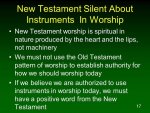
4. Do you agree with the slide above that the New Testament is silent about instruments in worship? If so, then wouldn’t speaking out against using instruments violate the concept of “speak where the Bible speaks and remain silent where the Bible is silent”?
B
Believer08
Guest
Most of your questions have been answered by me in other posts in this thread if you have not read them. And if they have not, then I doubt it will do any good for me to answer your questions if one is wanting to use musical instruments in Christian worship because they want to. Concerning your question about speaking out against instruments violating the concept of speak where the Bible speak and be silent where the Bible is silent, one is not violating that principle when the subject is not found authorized in the better covenant with better promises. Furthermore, instead of speak where the Bible speaks be silent where the Bible is silent, that is a matter of teaching or explaining what the Bible says. When a teaching is in accordance with God’s word in explaining passages and practice, understanding Bible authority in concerning Christian worship etc, then it is speaking where the Bible is speaking and being silent where it’s silent. When a teaching is not in accordance with God’s word in its explanation or practice concerning Christian worship, for example, it is not.Just a few questions.
1. Do you believe that the Book of Psalms is included in the psalms mentioned in Ephesians 5:19, and Colossians 3:16?
2. If so, would it be acceptable to sing Psalms 33 and 150 in worship as long as it was without instruments?
3. If the Book of Psalms is included in the psalms mentioned in Ephesians 5:19 and Colossians 3:16, then would the instruction to teach using psalms from Colossians 3:16 be authorization to teach with Psalms 33 and 150? Wouldn’t the lessons from Psalms 33 and 150 be the authorization to use instruments in New Testament worship?
4. Do you agree with the slide above that the New Testament is silent about instruments in worship? If so, then wouldn’t speaking out against using instruments violate the concept of “speak where the Bible speaks and remain silent where the Bible is silent”?
Just a few questions.
1. Do you believe that the Book of Psalms is included in the psalms mentioned in Ephesians 5:19, and Colossians 3:16?
2. If so, would it be acceptable to sing Psalms 33 and 150 in worship as long as it was without instruments?
3. If the Book of Psalms is included in the psalms mentioned in Ephesians 5:19 and Colossians 3:16, then would the instruction to teach using psalms from Colossians 3:16 be authorization to teach with Psalms 33 and 150? Wouldn’t the lessons from Psalms 33 and 150 be the authorization to use instruments in New Testament worship?
4. Do you agree with the slide above that the New Testament is silent about instruments in worship? If so, then wouldn’t speaking out against using instruments violate the concept of “speak where the Bible speaks and remain silent where the Bible is silent”?
In Hebrews 7:14 the Holy Spirit says that God said “nothing” about priests coming from the tribe of Judah. There is an example of God’s silence on a religious matter. We all know that the Jewish priests could ONLY come from the tribe of Levi, according to their law. Being”silent” where God is silent is a reference to “God’s authority” for what we teach and practice in matters of religion. If we don’t have God’s authority to practice or teach something religiously, then we are to be “silent” about that, meaning we are not to teach it as a practice or practice it ourselves.
Under the old Jewish law, I would have been wrong and invited God’s anger if I had taught that anyone could be a priest or had made priests from any other tribe. The Jews actually did this under king Jereboam..
But that did not mean that they could not reprimand anyone who violated that law. God sent a prophet to “cry out” against King Jereboam.
Also, when Uzzah, who was from the tribe of Judah, offered a sacrifice on God’s altar instead of waiting on a Levitical priest to do it, the prophet Azariah, along with 80 other Levitical priests “WITHSTOOD HIM” and told him it was not right for him to do that and ordered him out of the temple.
So being silent where the Bible is silent means not to teach or practice anything in the name of God that “adds to” or “takes away” from what God has spoken. Rev. 22:18-19. It does not mean we cannot speak out against error or transgression of God’s law. We have plenty of commands from God to “speak out “ against false doctrine and evil practices and examples in the scriptures of God’s people doing this.
The questions you have posed are really questions about God’s AUTHORITY. Matt. 28:18 Jesus said “ALL AUTHORITY HAS BEEN GIVEN TO ME IN HEAVEN AND ON EARTH.” Therefore, I contend that we MUST have God’s authority ( permission) for all that we teach, or practice in the name of religion. That’s why, if God has not “authorized” it by giving permission, then we don’t practice it, nor teach it. I suppose this is the biggest difference between churches of Christ and denominations. Denominations do not adhere to this restriction and usually do whatever they “feel” is alright to do. In that sense they are doing what is right in their own eyes.
There are two kinds of authority. 1) SPECIFIC authority where God has SPECIFIED a certain kind of thing. Example: 1). Noah and the ark. God SPECIFIED the kind of wood that was to be used to build the ark—gopher wood. That eliminated EVERY OTHER KIND OF WOOD.
2) God SPECIFIED the tribe from which the priest were to come—-Levi. That eliminated EVERY OTHER TRIBE.
3). God SPECIFIED where the fire was to come from for the burning of incense ( from God’s altar). That eliminated GETTING FIRE FROM ANYWHERE ELSE. Leviticus 10. The two sons of Aaron were killed because they used “strange” fire to burn incense. God means what He says.
4) God SPECIFIED the kind of music He wanted in the New Testament—vocal music Eph5:18, Col. 3:16. That eliminated every other kind of music. ( there are only two kinds of music—vocal and instrumental.). The fact that for 700 years after the Bible was written, no church used instrumental music in their worship services, shows that this was a common understanding of what God wanted and of what the New Testament taught. It serves as a “witness” or “testimony” of what the Bible teaches.
But there is also another kind of authority. It is called GENERIC authority. It is when God has given us a command but has NOT SPECIFIED how it is to be obeyed. Then, and only tHEN , may we use OUR judgement in carrying out that command. Let’s use our previous examples and for the moment PRETEND that God commanded a certain thing but did NOT specify. 1) if God had told Noah to build an ark out of wood, but did not SPECIFY any particular kind of wood, then Noah could have used ANY WOOD that seemed good to him. That’s “generic “ authority.
2). If God had told Moses to make priests from among God’s people, but did NOT SPECIFY any particular tribe, then there could have been Jewish priests of God from ALL or ANY tribe of the Jews. That’s “generic” authority.
3) If God had told Nadab and Abihu (Leviticus 10) to just burn incense and did not specify the kind of fire they were to use, then they could have gotten fire from anywhere. That’s generic authority.
4) if God had just told us to make music in Eph5;19 and Col. 3:16, then we could have sung, played instruments and used any kind of music we wanted to use. But God didn’t say “make music.” God said “sing”. God has SPECIFIED the kind of music He wants. I dare not “add to”” nor “go beyond” the things that are written.
A few more examples from the New Testament. God says in the “Great Commission” Matt 28:18-19 to GO into all the world and preach the gospel. But God has not specified how we are to go. He has left that up to us. In the first century they walked, rode animals or traveled by ship. In our day, we may drive a car, train, bus, or fly. “Go” is a generic command and we may do whatever it takes to fulfill that command. (As long as we do not violate His other commands).
In Hebrews 10:25, the Holy Spirit tells us to not to forsake the “assembling of ourselves together.” We understand this to mean “church assemblies; as are mentioned in Acts 29:7 and first Cor. 14 when it talks about things we do in the church when we are “assembled together. But God does not specify “where” we are to assemble. Again generic authority. In the New Testament we find People assembling in people’s homes, on the river bank, and in a school ( Acts). Today, we can meet Under bush arbors, in tents, in a rented hall or building, or permanent buildings built just for that purpose. We have generic authority for a PLACE to “assemble.”
Isaiah reminds us that we must “REASON” together with God. Isa.1:18.
There are two kinds of authority. 1) SPECIFIC authority where God has SPECIFIED a certain kind of thing. Example: 1). Noah and the ark. God SPECIFIED the kind of wood that was to be used to build the ark—gopher wood. That eliminated EVERY OTHER KIND OF WOOD.
2) God SPECIFIED the tribe from which the priest were to come—-Levi. That eliminated EVERY OTHER TRIBE.
3). God SPECIFIED where the fire was to come from for the burning of incense ( from God’s altar). That eliminated GETTING FIRE FROM ANYWHERE ELSE. Leviticus 10. The two sons of Aaron were killed because they used “strange” fire to burn incense. God means what He says.
4) God SPECIFIED the kind of music He wanted in the New Testament—vocal music Eph5:18, Col. 3:16. That eliminated every other kind of music. ( there are only two kinds of music—vocal and instrumental.). The fact that for 700 years after the Bible was written, no church used instrumental music in their worship services, shows that this was a common understanding of what God wanted and of what the New Testament taught. It serves as a “witness” or “testimony” of what the Bible teaches.
But there is also another kind of authority. It is called GENERIC authority. It is when God has given us a command but has NOT SPECIFIED how it is to be obeyed. Then, and only tHEN , may we use OUR judgement in carrying out that command. Let’s use our previous examples and for the moment PRETEND that God commanded a certain thing but did NOT specify. 1) if God had told Noah to build an ark out of wood, but did not SPECIFY any particular kind of wood, then Noah could have used ANY WOOD that seemed good to him. That’s “generic “ authority.
2). If God had told Moses to make priests from among God’s people, but did NOT SPECIFY any particular tribe, then there could have been Jewish priests of God from ALL or ANY tribe of the Jews. That’s “generic” authority.
3) If God had told Nadab and Abihu (Leviticus 10) to just burn incense and did not specify the kind of fire they were to use, then they could have gotten fire from anywhere. That’s generic authority.
4) if God had just told us to make music in Eph5;19 and Col. 3:16, then we could have sung, played instruments and used any kind of music we wanted to use. But God didn’t say “make music.” God said “sing”. God has SPECIFIED the kind of music He wants. I dare not “add to”” nor “go beyond” the things that are written.
A few more examples from the New Testament. God says in the “Great Commission” Matt 28:18-19 to GO into all the world and preach the gospel. But God has not specified how we are to go. He has left that up to us. In the first century they walked, rode animals or traveled by ship. In our day, we may drive a car, train, bus, or fly. “Go” is a generic command and we may do whatever it takes to fulfill that command. (As long as we do not violate His other commands).
In Hebrews 10:25, the Holy Spirit tells us to not to forsake the “assembling of ourselves together.” We understand this to mean “church assemblies; as are mentioned in Acts 29:7 and first Cor. 14 when it talks about things we do in the church when we are “assembled together. But God does not specify “where” we are to assemble. Again generic authority. In the New Testament we find People assembling in people’s homes, on the river bank, and in a school ( Acts). Today, we can meet Under bush arbors, in tents, in a rented hall or building, or permanent buildings built just for that purpose. We have generic authority for a PLACE to “assemble.”
Isaiah reminds us that we must “REASON” together with God. Isa.1:18.
it saddens me to no end that people think giving things up makes them right with God.
what makes us right with God is our faith in him. not how good we are. we can never be good enough
what makes us right with God is our faith in him. not how good we are. we can never be good enough

it saddens me to no end that people think giving things up makes them right with God.
what makes us right with God is our faith in him. not how good we are. we can never be good enough
Amen.
You have been missed, very sad indeed.
This message board has been taken over by worker bees, aka, I am saving myself.
The questions you have posed are really questions about God’s AUTHORITY. Matt. 28:18 Jesus said “ALL AUTHORITY HAS BEEN GIVEN TO ME IN HEAVEN AND ON EARTH.” Therefore, I contend that we MUST have God’s authority ( permission) for all that we teach, or practice in the name of religion. That’s why, if God has not “authorized” it by giving permission, then we don’t practice it, nor teach it. I suppose this is the biggest difference between churches of Christ and denominations. Denominations do not adhere to this restriction and usually do whatever they “feel” is alright to do. In that sense they are doing what is right in their own eyes.
There are two kinds of authority. 1) SPECIFIC authority where God has SPECIFIED a certain kind of thing. Example: 1). Noah and the ark. God SPECIFIED the kind of wood that was to be used to build the ark—gopher wood. That eliminated EVERY OTHER KIND OF WOOD.
2) God SPECIFIED the tribe from which the priest were to come—-Levi. That eliminated EVERY OTHER TRIBE.
3). God SPECIFIED where the fire was to come from for the burning of incense ( from God’s altar). That eliminated GETTING FIRE FROM ANYWHERE ELSE. Leviticus 10. The two sons of Aaron were killed because they used “strange” fire to burn incense. God means what He says.
4) God SPECIFIED the kind of music He wanted in the New Testament—vocal music Eph5:18, Col. 3:16. That eliminated every other kind of music. ( there are only two kinds of music—vocal and instrumental.). The fact that for 700 years after the Bible was written, no church used instrumental music in their worship services, shows that this was a common understanding of what God wanted and of what the New Testament taught. It serves as a “witness” or “testimony” of what the Bible teaches.
But there is also another kind of authority. It is called GENERIC authority. It is when God has given us a command but has NOT SPECIFIED how it is to be obeyed. Then, and only tHEN , may we use OUR judgement in carrying out that command. Let’s use our previous examples and for the moment PRETEND that God commanded a certain thing but did NOT specify. 1) if God had told Noah to build an ark out of wood, but did not SPECIFY any particular kind of wood, then Noah could have used ANY WOOD that seemed good to him. That’s “generic “ authority.
2). If God had told Moses to make priests from among God’s people, but did NOT SPECIFY any particular tribe, then there could have been Jewish priests of God from ALL or ANY tribe of the Jews. That’s “generic” authority.
3) If God had told Nadab and Abihu (Leviticus 10) to just burn incense and did not specify the kind of fire they were to use, then they could have gotten fire from anywhere. That’s generic authority.
4) if God had just told us to make music in Eph5;19 and Col. 3:16, then we could have sung, played instruments and used any kind of music we wanted to use. But God didn’t say “make music.” God said “sing”. God has SPECIFIED the kind of music He wants. I dare not “add to”” nor “go beyond” the things that are written.
A few more examples from the New Testament. God says in the “Great Commission” Matt 28:18-19 to GO into all the world and preach the gospel. But God has not specified how we are to go. He has left that up to us. In the first century they walked, rode animals or traveled by ship. In our day, we may drive a car, train, bus, or fly. “Go” is a generic command and we may do whatever it takes to fulfill that command. (As long as we do not violate His other commands).
In Hebrews 10:25, the Holy Spirit tells us to not to forsake the “assembling of ourselves together.” We understand this to mean “church assemblies; as are mentioned in Acts 29:7 and first Cor. 14 when it talks about things we do in the church when we are “assembled together. But God does not specify “where” we are to assemble. Again generic authority. In the New Testament we find People assembling in people’s homes, on the river bank, and in a school ( Acts). Today, we can meet Under bush arbors, in tents, in a rented hall or building, or permanent buildings built just for that purpose. We have generic authority for a PLACE to “assemble.”
Isaiah reminds us that we must “REASON” together with God. Isa.1:18.
Yes, and other Scriptures indicating the role of reason include:
1. “Come now, let us reason together,” says the Lord. (IS 1:18a)
2. “They hated me without reason.” (JN 15:25)
3. “So [Paul] reasoned in the synagogue with the Jews and the God-fearing Greeks, as well as in the marketplace day by day with those who happened to be there.” (ACTS 17:17)
4. “We do, however, speak a message of wisdom [right reasoning] among the mature…” (1CR 2:6)
5. “When I was a child… I reasoned like a child. When I became a man, I put childish ways behind me.” (1CR 13:11)
6. “Always be prepared to give an answer to everyone who asks you to give the reason for the hope that you have.” (1PT 3:15b)
These passages indicate that we should think and attempt to learn the best beliefs/opinions or solutions regarding issues including the arguments or accusations of atheists. Stressing the importance of right logic/reason as a divine gift is not intended to demean emotion. Both are important aspects of personality, but their relationship is analogous to that of saving faith and works: faith precedes love (per GL 5:6), and right reasoning should guide one’s emotion.