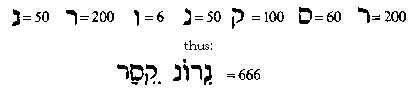
,,,,now you yourself said in another post,,,"the Catholics burned the Alexandrian libraries",,,look for the origin of the papyrus 115,,,,it was found in the "dump" on the outskirts of town,,,"no-one burns their own bible,,,someone else piled them up and burned them,,,there were scrolls written in Hebrew,Aramaic,Greek,found in this dump,both old and new testament.,,,,,,,,now to the dead sea scrolls who would put into caves scrolls and seal them off,,if they thought they would not return?,,they did not though we know "becouse we found them",,if not they would have told their children where they were and years later they would have retrieved them,,,so they put them their to preserve the word of god,,,but they did not survive the Romans siege of ad70,,,that is someone was going town by town slaying and burning books,,,,,,,first in the dead sea(they hid them in caves),,,,,and then in Egypt(they piled them up in the dump and burned them),,,,,,,,,to keep you from seeing something written in these old copies,,,,,,,,"the line above the letters",,,,,,,,Not necessarily. In some languages, a line above can indicate that they are to be numbers. We have no evidence that this copyist was not following that tradition. Remember, he was copying, it did not have to be his tradition, so the use of the line need not be consistent with nomina sacra use elsewhere. If this is the case that it is a word, then one copy or the other is a deliberate alteration for theological reasons. Either, 666 is a theological variant, or this "word" is. It now becomes a question of which to accept. My Abraham story argues for the 666, the date argues for the word. How does the word "arithmos" in the passage apply if this is not a number?
Last edited:


 )
)