The doctrine of eternal conscious torment presents a fundamental contradiction between what Scripture explicitly declares about sin, death, immortality, and God's final judgment. If the punishment for sin is death, and death is the cessation of life, how can the punishment simultaneously require the sinner to remain alive, conscious, and suffering forever? These two propositions cannot both be true without redefining death to mean its opposite.
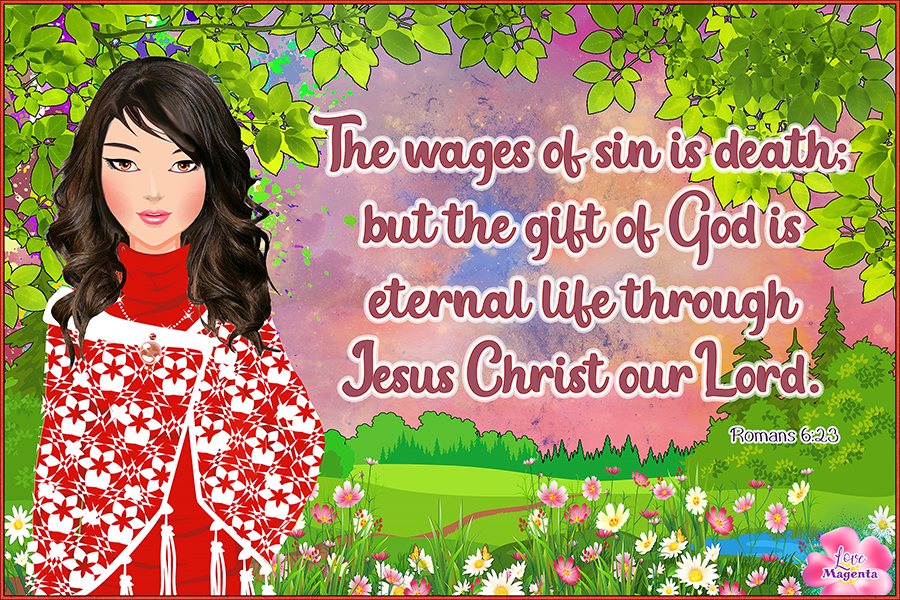
Romans 6:23 declares: "For the wages of sin is death, but the gift of God is eternal life in Christ Jesus our Lord."
Notice the distinction. The wages of sin are death, while eternal life is a gift from God. Scripture does not say that the righteous receive eternal happiness while the wicked receive eternal life in suffering. It contrasts death with eternal life. If the wicked remain consciously alive forever, they too possess endless conscious existence. How, then, can eternal life be exclusively presented as God's gift through Jesus Christ?
Malachi 4:1 provides an unmistakable description of the wicked's ultimate destruction:
"Surely the day is coming; it will burn like a furnace. All the arrogant and every evildoer will be stubble, and the day that is coming will set them on fire," says the Lord Almighty. "Not a root or a branch will be left to them."
The language is destruction, not preservation. Stubble consumed by fire does not continue burning consciously forever. Furthermore, Malachi 4:3 declares that the wicked will become ashes beneath the feet of the righteous. Ashes are the remains of something destroyed, not something continuously maintained in an indestructible state of suffering.
Revelation 20:14 declares: "Then death and Hades were thrown into the lake of fire. The lake of fire is the second death."
This is decisive. Scripture expressly identifies the lake of fire as the second death. It does not call it the second life, eternal conscious survival, or everlasting preservation in agony. It calls it death.
Revelation 21:8 reinforces this identification, stating that the wicked are consigned to the fiery lake, "which is the second death."
If those subjected to the second death never actually die, what meaningful distinction remains between death and everlasting life? Calling endless conscious existence "death" does not resolve this contradiction; it merely conceals it beneath a redefinition.
The account of Adam and Eve provides further evidence.
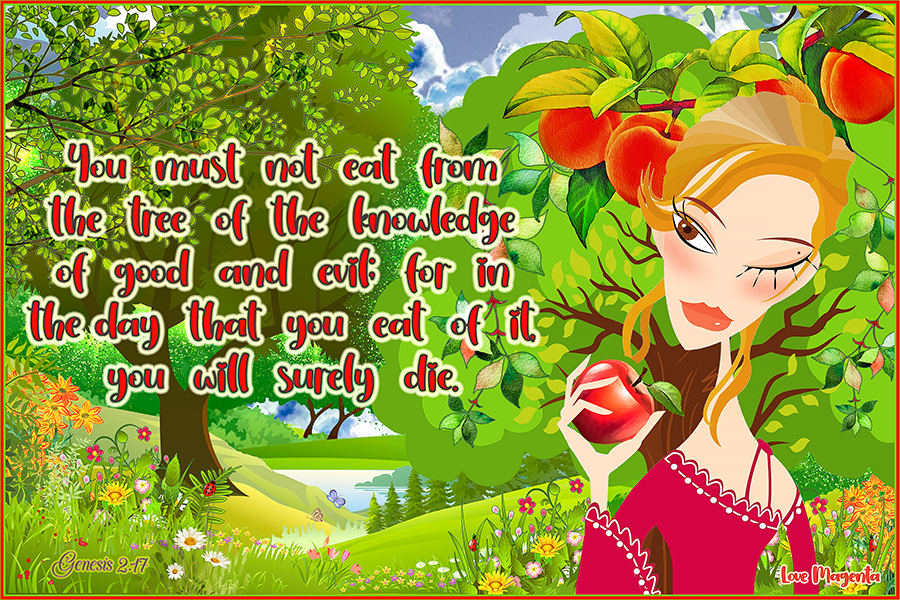
In Genesis 2:17, God warned Adam concerning the tree of the knowledge of good and evil: "For when you eat from it you will certainly die."
God did not warn Adam that disobedience would result in an eternal existence of conscious suffering. The consequence explicitly declared was death.
After Adam and Eve sinned, Genesis 3:22 records God's words:
"He must not be allowed to reach out his hand and take also from the tree of life and eat, and live forever."
Consider the implications carefully.
God prevented fallen humanity from accessing the tree of life specifically so that human beings would not live forever in their sinful condition. Genesis 3:23–24 describes their expulsion from Eden and the guarding of the way to the tree of life.
Therefore, the very God who prevented sinners from living forever in sin is supposedly the same God who will sustain other sinners in conscious existence throughout eternity, not merely in sin's consequences but in perpetual suffering.
How is that conclusion consistent with the stated purpose of restricting access to the tree of life?
Genesis establishes a coherent sequence: God warned that sin would bring death; humanity sinned; and access to the tree of life was removed so that sinners would not live forever. The doctrine of eternal conscious torment reverses the significance of that sequence by requiring the wicked to continue existing without end.
Jude 1:7 supplies another important example:
"In a similar way, Sodom and Gomorrah and the surrounding towns gave themselves up to sexual immorality and perversion. They serve as an example of those who suffer the punishment of eternal fire."
Sodom and Gomorrah are presented as examples of the punishment of eternal fire. Yet those cities are not presently burning. Their destruction was completed.
Second Peter 2:6 makes the consequence even clearer:
"If he condemned the cities of Sodom and Gomorrah by burning them to ashes, and made them an example of what is going to happen to the ungodly."
Observe the relationship between these passages. Jude describes eternal fire, while Peter describes the cities being reduced to ashes. Together, they establish a distinction between an eternal consequence and a fire that must remain actively burning forever.
Eternal punishment does not logically require eternal punishment in progress. A punishment can be permanent because its result is irreversible. Eternal destruction means destruction from which there is no restoration, not an endless process in which destruction is somehow never accomplished.
Jesus Himself declares in Matthew 10:28:
"Rather, be afraid of the One who can destroy both soul and body in hell."
The Greek verb translated "destroy," apollymi, can carry different meanings depending on context. Nevertheless, Jesus' statement plainly identifies both body and soul as subject to destruction. It provides no explicit declaration that the wicked must be preserved eternally in consciousness.
Second Thessalonians 1:9 likewise describes the wicked as being punished with "everlasting destruction."
The duration of the consequence is everlasting. Scripture calls that consequence destruction, not everlasting conscious preservation.
There is also a fundamental distinction between immortality and mortality.
First Timothy 6:16 describes God as the One "who alone is immortal." First Corinthians 15:53–54 describes mortality putting on immortality in the context of resurrection and victory over death.
Immortality is not presented as an unconditional possession of every human being regardless of their relationship with God. It is associated with God's life-giving power and the victory accomplished through Christ.
If the wicked are to remain conscious for eternity, their continued existence must somehow be sustained. Yet where does Scripture explicitly promise everlasting conscious life to those who reject the gift of eternal life?
One cannot establish such a conclusion merely by assuming that the human soul is naturally incapable of ceasing to exist.
The central contradiction remains:
God declares that sin leads to death. God prevents fallen humanity from living forever. God offers eternal life as a gift through Christ. God describes the wicked's final punishment as destruction, ashes, and the second death.
Yet the doctrine of eternal conscious torment insists that the wicked will never cease living consciously.
It transforms death into endless existence, destruction into perpetual preservation, and punishment by fire into an eternal process that never completes what destruction means.
God's justice does not require redefining His words.
The biblical testimony is coherent: the righteous receive eternal life through Christ, while the wicked suffer a final, irreversible death. Their punishment is everlasting because its consequence is everlasting, not because they must remain alive forever to experience it.
Eternal life is God's gift. Death is sin's consequence. The second death is final.
And a doctrine that requires the dead to remain eternally alive has failed to reconcile itself with the very distinction Scripture repeatedly establishes.
Romans 6:23 declares: "For the wages of sin is death, but the gift of God is eternal life in Christ Jesus our Lord."
Notice the distinction. The wages of sin are death, while eternal life is a gift from God. Scripture does not say that the righteous receive eternal happiness while the wicked receive eternal life in suffering. It contrasts death with eternal life. If the wicked remain consciously alive forever, they too possess endless conscious existence. How, then, can eternal life be exclusively presented as God's gift through Jesus Christ?
Malachi 4:1 provides an unmistakable description of the wicked's ultimate destruction:
"Surely the day is coming; it will burn like a furnace. All the arrogant and every evildoer will be stubble, and the day that is coming will set them on fire," says the Lord Almighty. "Not a root or a branch will be left to them."
The language is destruction, not preservation. Stubble consumed by fire does not continue burning consciously forever. Furthermore, Malachi 4:3 declares that the wicked will become ashes beneath the feet of the righteous. Ashes are the remains of something destroyed, not something continuously maintained in an indestructible state of suffering.
Revelation 20:14 declares: "Then death and Hades were thrown into the lake of fire. The lake of fire is the second death."
This is decisive. Scripture expressly identifies the lake of fire as the second death. It does not call it the second life, eternal conscious survival, or everlasting preservation in agony. It calls it death.
Revelation 21:8 reinforces this identification, stating that the wicked are consigned to the fiery lake, "which is the second death."
If those subjected to the second death never actually die, what meaningful distinction remains between death and everlasting life? Calling endless conscious existence "death" does not resolve this contradiction; it merely conceals it beneath a redefinition.
The account of Adam and Eve provides further evidence.
In Genesis 2:17, God warned Adam concerning the tree of the knowledge of good and evil: "For when you eat from it you will certainly die."
God did not warn Adam that disobedience would result in an eternal existence of conscious suffering. The consequence explicitly declared was death.
After Adam and Eve sinned, Genesis 3:22 records God's words:
"He must not be allowed to reach out his hand and take also from the tree of life and eat, and live forever."
Consider the implications carefully.
God prevented fallen humanity from accessing the tree of life specifically so that human beings would not live forever in their sinful condition. Genesis 3:23–24 describes their expulsion from Eden and the guarding of the way to the tree of life.
Therefore, the very God who prevented sinners from living forever in sin is supposedly the same God who will sustain other sinners in conscious existence throughout eternity, not merely in sin's consequences but in perpetual suffering.
How is that conclusion consistent with the stated purpose of restricting access to the tree of life?
Genesis establishes a coherent sequence: God warned that sin would bring death; humanity sinned; and access to the tree of life was removed so that sinners would not live forever. The doctrine of eternal conscious torment reverses the significance of that sequence by requiring the wicked to continue existing without end.
Jude 1:7 supplies another important example:
"In a similar way, Sodom and Gomorrah and the surrounding towns gave themselves up to sexual immorality and perversion. They serve as an example of those who suffer the punishment of eternal fire."
Sodom and Gomorrah are presented as examples of the punishment of eternal fire. Yet those cities are not presently burning. Their destruction was completed.
Second Peter 2:6 makes the consequence even clearer:
"If he condemned the cities of Sodom and Gomorrah by burning them to ashes, and made them an example of what is going to happen to the ungodly."
Observe the relationship between these passages. Jude describes eternal fire, while Peter describes the cities being reduced to ashes. Together, they establish a distinction between an eternal consequence and a fire that must remain actively burning forever.
Eternal punishment does not logically require eternal punishment in progress. A punishment can be permanent because its result is irreversible. Eternal destruction means destruction from which there is no restoration, not an endless process in which destruction is somehow never accomplished.
Jesus Himself declares in Matthew 10:28:
"Rather, be afraid of the One who can destroy both soul and body in hell."
The Greek verb translated "destroy," apollymi, can carry different meanings depending on context. Nevertheless, Jesus' statement plainly identifies both body and soul as subject to destruction. It provides no explicit declaration that the wicked must be preserved eternally in consciousness.
Second Thessalonians 1:9 likewise describes the wicked as being punished with "everlasting destruction."
The duration of the consequence is everlasting. Scripture calls that consequence destruction, not everlasting conscious preservation.
There is also a fundamental distinction between immortality and mortality.
First Timothy 6:16 describes God as the One "who alone is immortal." First Corinthians 15:53–54 describes mortality putting on immortality in the context of resurrection and victory over death.
Immortality is not presented as an unconditional possession of every human being regardless of their relationship with God. It is associated with God's life-giving power and the victory accomplished through Christ.
If the wicked are to remain conscious for eternity, their continued existence must somehow be sustained. Yet where does Scripture explicitly promise everlasting conscious life to those who reject the gift of eternal life?
One cannot establish such a conclusion merely by assuming that the human soul is naturally incapable of ceasing to exist.
The central contradiction remains:
God declares that sin leads to death. God prevents fallen humanity from living forever. God offers eternal life as a gift through Christ. God describes the wicked's final punishment as destruction, ashes, and the second death.
Yet the doctrine of eternal conscious torment insists that the wicked will never cease living consciously.
It transforms death into endless existence, destruction into perpetual preservation, and punishment by fire into an eternal process that never completes what destruction means.
God's justice does not require redefining His words.
The biblical testimony is coherent: the righteous receive eternal life through Christ, while the wicked suffer a final, irreversible death. Their punishment is everlasting because its consequence is everlasting, not because they must remain alive forever to experience it.
Eternal life is God's gift. Death is sin's consequence. The second death is final.
And a doctrine that requires the dead to remain eternally alive has failed to reconcile itself with the very distinction Scripture repeatedly establishes.