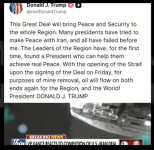
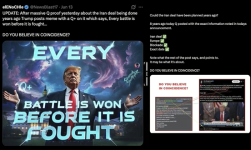
It’s 5-D Chess
 IMHO...
TRUST THE PLAN!!!
The Plan has been WORKING RIGHT ON 'Q'ue for over the past 5 YEARS!!!
The DS has been Off-Balance, Losing and Forced to make BAD DESPERATE Moves for 5 years!
This TREND will Continue!!!
We've entered the EYE of the STORM!!!
Nothing can stop what's coming!!!
The Military is the ONLY WAY!!!
All in accordance with the RULE of LAW and the LAWS of WAR!!!
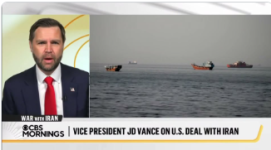
Strip away the headlines and look at the sequence. The Strait of Hormuz is already reopening and the US naval blockade is lifted — the hard leverage that actually cornered Tehran, handed back up front. What did we lock in return on the nukes? By Vance’s own account: a promise to keep talking.
Vance was honest about it. The Gulf money Iran might receive is 𝐬𝐭𝐫𝐢𝐜𝐭𝐥𝐲 𝐜𝐨𝐧𝐝𝐢𝐭𝐢𝐨𝐧𝐚𝐥 — it comes “𝘰𝘯𝘭𝘺 𝘪𝘧 𝘐𝘳𝘢𝘯 𝘦𝘯𝘥𝘴 𝘵𝘩𝘦𝘪𝘳 𝘯𝘶𝘤𝘭𝘦𝘢𝘳 𝘱𝘳𝘰𝘨𝘳𝘢𝘮, 𝘦𝘯𝘥𝘴 𝘵𝘩𝘦𝘪𝘳 𝘦𝘯𝘳𝘪𝘤𝘩𝘦𝘥 𝘴𝘵𝘰𝘤𝘬𝘱𝘪𝘭𝘦 𝘰𝘧 𝘮𝘢𝘵𝘦𝘳𝘪𝘢𝘭, 𝘢𝘯𝘥 𝘪𝘴 𝘳𝘦𝘢𝘭𝘭𝘺 𝘰𝘱𝘦𝘯 𝘵𝘰 𝘢𝘯 𝘪𝘯𝘴𝘱𝘦𝘤𝘵𝘪𝘰𝘯𝘴 𝘢𝘯𝘥 𝘦𝘯𝘧𝘰𝘳𝘤𝘦𝘮𝘦𝘯𝘵 𝘳𝘦𝘨𝘪𝘮𝘦”. On the nuclear details themselves: “𝘸𝘦’𝘭𝘭, 𝘰𝘧 𝘤𝘰𝘶𝘳𝘴𝘦, 𝘴𝘦𝘦... 𝘰𝘯𝘦 𝘰𝘧 𝘵𝘩𝘦 𝘵𝘩𝘪𝘯𝘨𝘴 𝘸𝘦’𝘳𝘦 𝘨𝘰𝘪𝘯𝘨 𝘵𝘰 𝘸𝘰𝘳𝘬 𝘰𝘶𝘵 𝘪𝘯 𝘵𝘩𝘦 𝘵𝘦𝘤𝘩𝘯𝘪𝘤𝘢𝘭 𝘵𝘢𝘭𝘬𝘴 𝘵𝘩𝘢𝘵 𝘸𝘪𝘭𝘭 𝘧𝘰𝘭𝘭𝘰𝘸 𝘵𝘩𝘦 𝘰𝘧𝘧𝘪𝘤𝘪𝘢𝘭 𝘴𝘪𝘨𝘯𝘪𝘯𝘨”.
Read that again. The chokehold was real, physical, and ours — and it’s gone now. What replaced it is a 𝐜𝐚𝐫𝐫𝐨𝐭 𝐈𝐫𝐚𝐧 𝐜𝐚𝐧 𝐬𝐢𝐦𝐩𝐥𝐲 𝐫𝐞𝐟𝐮𝐬𝐞. Tehran can keep its enriched stockpile, walk away from the Gulf cash, and we’ve already surrendered the one thing that dragged them to the table.
That is the whole problem. There is 𝐧𝐨 𝐠𝐮𝐚𝐫𝐚𝐧𝐭𝐞𝐞 𝐭𝐡𝐞 𝐮𝐫𝐚𝐧𝐢𝐮𝐦 𝐞𝐯𝐞𝐫 𝐥𝐞𝐚𝐯𝐞𝐬 𝐈𝐫𝐚𝐧 — the deal swaps a lever we controlled for an incentive Iran controls. Until that stockpile is physically out and verified, the threat that started this war is still sitting in the ground.
𝐒𝐨 𝐰𝐡𝐢𝐜𝐡 𝐢𝐬 𝐢𝐭: 𝐝𝐢𝐝 𝐰𝐞 𝐛𝐥𝐨𝐰 𝐨𝐮𝐫 𝐛𝐞𝐬𝐭 𝐜𝐚𝐫𝐝, 𝐨𝐫 𝐢𝐬 𝐭𝐡𝐢𝐬 𝟓𝐃 𝐜𝐡𝐞𝐬𝐬? 𝐈 𝐭𝐡𝐢𝐧𝐤 𝐰𝐞 𝐣𝐮𝐬𝐭 𝐦𝐚𝐝𝐞 𝐚 𝐬𝐭𝐫𝐚𝐭𝐞𝐠𝐢𝐜 𝐦𝐢𝐬𝐭𝐚𝐤𝐞.
As Trump’s landmark Iran nuclear agreement came together, former President Obama went on television to downplay it. His message: whatever deal Trump signs won’t look much different from the JCPOA. A reporter then walked through exactly why that claim doesn’t hold up.
The core difference is enrichment. 𝐔𝐧𝐝𝐞𝐫 𝐭𝐡𝐞 𝐎𝐛𝐚𝐦𝐚-𝐞𝐫𝐚 𝐉𝐂𝐏𝐎𝐀, 𝐈𝐫𝐚𝐧 𝐰𝐚𝐬 𝐩𝐞𝐫𝐦𝐢𝐭𝐭𝐞𝐝 𝐭𝐨 𝐜𝐨𝐧𝐭𝐢𝐧𝐮𝐞 𝐞𝐧𝐫𝐢𝐜𝐡𝐢𝐧𝐠 𝐮𝐫𝐚𝐧𝐢𝐮𝐦 𝐚𝐭 𝐥𝐨𝐰 𝐥𝐞𝐯𝐞𝐥𝐬, 𝐰𝐢𝐭𝐡 𝐬𝐮𝐧𝐬𝐞𝐭 𝐜𝐥𝐚𝐮𝐬𝐞𝐬 𝐭𝐡𝐚𝐭 𝐞𝐱𝐩𝐢𝐫𝐞𝐝 𝐢𝐧 𝟏𝟎 𝐭𝐨 𝟏𝟓 𝐲𝐞𝐚𝐫𝐬. The centrifuges kept spinning. The program stayed intact. Iran was merely pausing the process, not ending it.
The reporter walked through the technical chain: uranium ore is extracted, processed into yellow cake, converted into hexafluoride gas, then spun at high speed in centrifuges, progressively purifying it toward weapons-grade concentration. Under the JCPOA, Iran was maintaining every link in that chain. 𝐔𝐧𝐝𝐞𝐫 𝐓𝐫𝐮𝐦𝐩’𝐬 𝐝𝐞𝐚𝐥, 𝐈𝐫𝐚𝐧 𝐦𝐮𝐬𝐭 𝐬𝐮𝐫𝐫𝐞𝐧𝐝𝐞𝐫 𝐢𝐭𝐬 𝐞𝐧𝐫𝐢𝐜𝐡𝐞𝐝 𝐮𝐫𝐚𝐧𝐢𝐮𝐦 𝐬𝐭𝐨𝐜𝐤𝐩𝐢𝐥𝐞 𝐚𝐧𝐝 𝐜𝐞𝐚𝐬𝐞 𝐞𝐧𝐫𝐢𝐜𝐡𝐦𝐞𝐧𝐭 𝐞𝐧𝐭𝐢𝐫𝐞𝐥𝐲. The chain is permanently cut, not temporarily paused.
The deal did not come through diplomacy alone. Iran had been “𝘵𝘢𝘱𝘱𝘪𝘯𝘨 𝘢𝘭𝘰𝘯𝘨” — stalling at the negotiating table while continuing its programs. That changed after Iran’s forces downed a U.S. Apache helicopter in the Strait of Hormuz region (crew rescued). The United States responded: 49 Tomahawk missiles struck targets as close as 40 miles from Tehran. Air defense systems, ballistic missile production lines, and drone programs were hit. More than 50 senior Iranian officials and commanders had been taken out by the combined U.S. and Israeli campaign leading up to the agreement. Iran’s leadership faced a direct question: “𝘐𝘴 𝘪𝘵 𝘸𝘰𝘳𝘵𝘩 𝘪𝘵?” They decided it was not. They signed.
Obama’s deal gave Iran a path toward a nuclear weapon with a 15-year countdown clock, a permitted enrichment program, and sunset clauses that would have let the whole process restart on schedule. 𝐓𝐫𝐮𝐦𝐩’𝐬 𝐝𝐞𝐚𝐥 𝐞𝐧𝐝𝐬 𝐭𝐡𝐞 𝐞𝐧𝐫𝐢𝐜𝐡𝐦𝐞𝐧𝐭 𝐩𝐫𝐨𝐠𝐫𝐚𝐦. 𝐓𝐡𝐚𝐭 𝐢𝐬 𝐭𝐡𝐞 𝐝𝐢𝐟𝐟𝐞𝐫𝐞𝐧𝐜𝐞 𝐎𝐛𝐚𝐦𝐚 𝐰𝐞𝐧𝐭 𝐨𝐧 𝐭𝐞𝐥𝐞𝐯𝐢𝐬𝐢𝐨𝐧 𝐡𝐨𝐩𝐢𝐧𝐠 𝐧𝐨 𝐨𝐧𝐞 𝐰𝐨𝐮𝐥𝐝 𝐧𝐨𝐭𝐢𝐜𝐞.
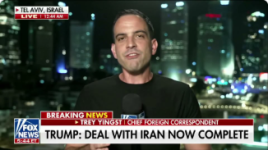
It isn’t just hawks in America raising the alarm. Across Israel’s entire political spectrum, the proposed US-Iran deal is being torn apart as a 𝐛𝐚𝐝 𝐝𝐞𝐚𝐥 that leaves the real threat untouched.
The country’s largest paper, Yediot Aharonot, ran its main headline as “𝘣𝘢𝘥 𝘥𝘦𝘢𝘭”. Former Defense Minister Avigdor Liberman called it “𝘢 𝘤𝘢𝘵𝘢𝘴𝘵𝘳𝘰𝘱𝘩𝘦 𝘧𝘳𝘰𝘮 𝘐𝘴𝘳𝘢𝘦𝘭’𝘴 𝘱𝘦𝘳𝘴𝘱𝘦𝘤𝘵𝘪𝘷𝘦”.
Their objections are the ones that matter: the deal 𝐝𝐨𝐞𝐬 𝐧𝐨𝐭𝐡𝐢𝐧𝐠 𝐚𝐛𝐨𝐮𝐭 𝐈𝐫𝐚𝐧’𝐬 𝐞𝐧𝐫𝐢𝐜𝐡𝐞𝐝-𝐮𝐫𝐚𝐧𝐢𝐮𝐦 𝐬𝐭𝐨𝐜𝐤𝐩𝐢𝐥𝐞, puts no real curbs on the nuclear program, and has no mechanism to force Tehran to cut off H∗zbollah, H∗mas and the Houthis.
Worse, Israeli officials say 𝐭𝐡𝐞 𝐦𝐨𝐧𝐞𝐲 𝐟𝐥𝐨𝐰𝐬 𝐭𝐡𝐞 𝐰𝐫𝐨𝐧𝐠 𝐰𝐚𝐲 — funds head back into the regime’s coffers instead of squeezing it toward collapse. As one former Netanyahu adviser put it, Trump will declare “𝘢 𝘵𝘰𝘵𝘢𝘭 𝘸𝘪𝘯” no matter what’s in the text.
𝐓𝐡𝐞 𝐩𝐞𝐨𝐩𝐥𝐞 𝐰𝐡𝐨 𝐥𝐢𝐯𝐞 𝐧𝐞𝐱𝐭 𝐭𝐨 𝐭𝐡𝐞 𝐭𝐡𝐫𝐞𝐚𝐭 𝐚𝐫𝐞 𝐜𝐚𝐥𝐥𝐢𝐧𝐠 𝐢𝐭 𝐚 𝐜𝐚𝐭𝐚𝐬𝐭𝐫𝐨𝐩𝐡𝐞. 𝐓𝐡𝐚𝐭 𝐨𝐮𝐭𝐰𝐞𝐢𝐠𝐡𝐬 𝐚𝐧𝐲 𝐩𝐫𝐞𝐬𝐬 𝐫𝐞𝐥𝐞𝐚𝐬𝐞.
TRUST THE PLAN!!!
The Plan has been WORKING RIGHT ON 'Q'ue for over the past 5 YEARS!!!
The DS has been Off-Balance, Losing and Forced to make BAD DESPERATE Moves for 5 years!
This TREND will Continue!!!
We've entered the EYE of the STORM!!!
Nothing can stop what's coming!!!
The Military is the ONLY WAY!!!
All in accordance with the RULE of LAW and the LAWS of WAR!!!
M.A. Rothman
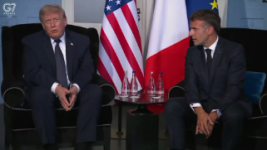
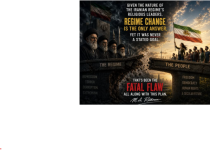
𝐖𝐄 𝐆𝐀𝐕𝐄 𝐁𝐀𝐂𝐊 𝐓𝐇𝐄 𝐒𝐓𝐑𝐀𝐈𝐓 𝐎𝐅 𝐇𝐎𝐑𝐌𝐔𝐙 𝐅𝐈𝐑𝐒𝐓 — 𝐀𝐍𝐃 𝐍𝐎 𝐆𝐔𝐀𝐑𝐀𝐍𝐓𝐄𝐄 𝐎𝐅 𝐈𝐑𝐀𝐍’𝐒 𝐄𝐍𝐑𝐈𝐂𝐇𝐄𝐃 𝐔𝐑𝐀𝐍𝐈𝐔𝐌 𝐌𝐎𝐕𝐈𝐍𝐆Strip away the headlines and look at the sequence. The Strait of Hormuz is already reopening and the US naval blockade is lifted — the hard leverage that actually cornered Tehran, handed back up front. What did we lock in return on the nukes? By Vance’s own account: a promise to keep talking.
Vance was honest about it. The Gulf money Iran might receive is 𝐬𝐭𝐫𝐢𝐜𝐭𝐥𝐲 𝐜𝐨𝐧𝐝𝐢𝐭𝐢𝐨𝐧𝐚𝐥 — it comes “𝘰𝘯𝘭𝘺 𝘪𝘧 𝘐𝘳𝘢𝘯 𝘦𝘯𝘥𝘴 𝘵𝘩𝘦𝘪𝘳 𝘯𝘶𝘤𝘭𝘦𝘢𝘳 𝘱𝘳𝘰𝘨𝘳𝘢𝘮, 𝘦𝘯𝘥𝘴 𝘵𝘩𝘦𝘪𝘳 𝘦𝘯𝘳𝘪𝘤𝘩𝘦𝘥 𝘴𝘵𝘰𝘤𝘬𝘱𝘪𝘭𝘦 𝘰𝘧 𝘮𝘢𝘵𝘦𝘳𝘪𝘢𝘭, 𝘢𝘯𝘥 𝘪𝘴 𝘳𝘦𝘢𝘭𝘭𝘺 𝘰𝘱𝘦𝘯 𝘵𝘰 𝘢𝘯 𝘪𝘯𝘴𝘱𝘦𝘤𝘵𝘪𝘰𝘯𝘴 𝘢𝘯𝘥 𝘦𝘯𝘧𝘰𝘳𝘤𝘦𝘮𝘦𝘯𝘵 𝘳𝘦𝘨𝘪𝘮𝘦”. On the nuclear details themselves: “𝘸𝘦’𝘭𝘭, 𝘰𝘧 𝘤𝘰𝘶𝘳𝘴𝘦, 𝘴𝘦𝘦... 𝘰𝘯𝘦 𝘰𝘧 𝘵𝘩𝘦 𝘵𝘩𝘪𝘯𝘨𝘴 𝘸𝘦’𝘳𝘦 𝘨𝘰𝘪𝘯𝘨 𝘵𝘰 𝘸𝘰𝘳𝘬 𝘰𝘶𝘵 𝘪𝘯 𝘵𝘩𝘦 𝘵𝘦𝘤𝘩𝘯𝘪𝘤𝘢𝘭 𝘵𝘢𝘭𝘬𝘴 𝘵𝘩𝘢𝘵 𝘸𝘪𝘭𝘭 𝘧𝘰𝘭𝘭𝘰𝘸 𝘵𝘩𝘦 𝘰𝘧𝘧𝘪𝘤𝘪𝘢𝘭 𝘴𝘪𝘨𝘯𝘪𝘯𝘨”.
Read that again. The chokehold was real, physical, and ours — and it’s gone now. What replaced it is a 𝐜𝐚𝐫𝐫𝐨𝐭 𝐈𝐫𝐚𝐧 𝐜𝐚𝐧 𝐬𝐢𝐦𝐩𝐥𝐲 𝐫𝐞𝐟𝐮𝐬𝐞. Tehran can keep its enriched stockpile, walk away from the Gulf cash, and we’ve already surrendered the one thing that dragged them to the table.
That is the whole problem. There is 𝐧𝐨 𝐠𝐮𝐚𝐫𝐚𝐧𝐭𝐞𝐞 𝐭𝐡𝐞 𝐮𝐫𝐚𝐧𝐢𝐮𝐦 𝐞𝐯𝐞𝐫 𝐥𝐞𝐚𝐯𝐞𝐬 𝐈𝐫𝐚𝐧 — the deal swaps a lever we controlled for an incentive Iran controls. Until that stockpile is physically out and verified, the threat that started this war is still sitting in the ground.
𝐒𝐨 𝐰𝐡𝐢𝐜𝐡 𝐢𝐬 𝐢𝐭: 𝐝𝐢𝐝 𝐰𝐞 𝐛𝐥𝐨𝐰 𝐨𝐮𝐫 𝐛𝐞𝐬𝐭 𝐜𝐚𝐫𝐝, 𝐨𝐫 𝐢𝐬 𝐭𝐡𝐢𝐬 𝟓𝐃 𝐜𝐡𝐞𝐬𝐬? 𝐈 𝐭𝐡𝐢𝐧𝐤 𝐰𝐞 𝐣𝐮𝐬𝐭 𝐦𝐚𝐝𝐞 𝐚 𝐬𝐭𝐫𝐚𝐭𝐞𝐠𝐢𝐜 𝐦𝐢𝐬𝐭𝐚𝐤𝐞.
M.A. Rothman
𝐎𝐁𝐀𝐌𝐀 𝐂𝐋𝐀𝐈𝐌𝐄𝐃 𝐓𝐑𝐔𝐌𝐏’𝐒 𝐈𝐑𝐀𝐍 𝐃𝐄𝐀𝐋 𝐖𝐎𝐔𝐋𝐃 𝐋𝐎𝐎𝐊 𝐋𝐈𝐊𝐄 𝐇𝐈𝐒 𝐉𝐂𝐏𝐎𝐀 — 𝐓𝐇𝐄 𝐀𝐂𝐓𝐔𝐀𝐋 𝐄𝐕𝐈𝐃𝐄𝐍𝐂𝐄 𝐒𝐀𝐘𝐒 𝐎𝐓𝐇𝐄𝐑𝐖𝐈𝐒𝐄As Trump’s landmark Iran nuclear agreement came together, former President Obama went on television to downplay it. His message: whatever deal Trump signs won’t look much different from the JCPOA. A reporter then walked through exactly why that claim doesn’t hold up.
The core difference is enrichment. 𝐔𝐧𝐝𝐞𝐫 𝐭𝐡𝐞 𝐎𝐛𝐚𝐦𝐚-𝐞𝐫𝐚 𝐉𝐂𝐏𝐎𝐀, 𝐈𝐫𝐚𝐧 𝐰𝐚𝐬 𝐩𝐞𝐫𝐦𝐢𝐭𝐭𝐞𝐝 𝐭𝐨 𝐜𝐨𝐧𝐭𝐢𝐧𝐮𝐞 𝐞𝐧𝐫𝐢𝐜𝐡𝐢𝐧𝐠 𝐮𝐫𝐚𝐧𝐢𝐮𝐦 𝐚𝐭 𝐥𝐨𝐰 𝐥𝐞𝐯𝐞𝐥𝐬, 𝐰𝐢𝐭𝐡 𝐬𝐮𝐧𝐬𝐞𝐭 𝐜𝐥𝐚𝐮𝐬𝐞𝐬 𝐭𝐡𝐚𝐭 𝐞𝐱𝐩𝐢𝐫𝐞𝐝 𝐢𝐧 𝟏𝟎 𝐭𝐨 𝟏𝟓 𝐲𝐞𝐚𝐫𝐬. The centrifuges kept spinning. The program stayed intact. Iran was merely pausing the process, not ending it.
The reporter walked through the technical chain: uranium ore is extracted, processed into yellow cake, converted into hexafluoride gas, then spun at high speed in centrifuges, progressively purifying it toward weapons-grade concentration. Under the JCPOA, Iran was maintaining every link in that chain. 𝐔𝐧𝐝𝐞𝐫 𝐓𝐫𝐮𝐦𝐩’𝐬 𝐝𝐞𝐚𝐥, 𝐈𝐫𝐚𝐧 𝐦𝐮𝐬𝐭 𝐬𝐮𝐫𝐫𝐞𝐧𝐝𝐞𝐫 𝐢𝐭𝐬 𝐞𝐧𝐫𝐢𝐜𝐡𝐞𝐝 𝐮𝐫𝐚𝐧𝐢𝐮𝐦 𝐬𝐭𝐨𝐜𝐤𝐩𝐢𝐥𝐞 𝐚𝐧𝐝 𝐜𝐞𝐚𝐬𝐞 𝐞𝐧𝐫𝐢𝐜𝐡𝐦𝐞𝐧𝐭 𝐞𝐧𝐭𝐢𝐫𝐞𝐥𝐲. The chain is permanently cut, not temporarily paused.
The deal did not come through diplomacy alone. Iran had been “𝘵𝘢𝘱𝘱𝘪𝘯𝘨 𝘢𝘭𝘰𝘯𝘨” — stalling at the negotiating table while continuing its programs. That changed after Iran’s forces downed a U.S. Apache helicopter in the Strait of Hormuz region (crew rescued). The United States responded: 49 Tomahawk missiles struck targets as close as 40 miles from Tehran. Air defense systems, ballistic missile production lines, and drone programs were hit. More than 50 senior Iranian officials and commanders had been taken out by the combined U.S. and Israeli campaign leading up to the agreement. Iran’s leadership faced a direct question: “𝘐𝘴 𝘪𝘵 𝘸𝘰𝘳𝘵𝘩 𝘪𝘵?” They decided it was not. They signed.
Obama’s deal gave Iran a path toward a nuclear weapon with a 15-year countdown clock, a permitted enrichment program, and sunset clauses that would have let the whole process restart on schedule. 𝐓𝐫𝐮𝐦𝐩’𝐬 𝐝𝐞𝐚𝐥 𝐞𝐧𝐝𝐬 𝐭𝐡𝐞 𝐞𝐧𝐫𝐢𝐜𝐡𝐦𝐞𝐧𝐭 𝐩𝐫𝐨𝐠𝐫𝐚𝐦. 𝐓𝐡𝐚𝐭 𝐢𝐬 𝐭𝐡𝐞 𝐝𝐢𝐟𝐟𝐞𝐫𝐞𝐧𝐜𝐞 𝐎𝐛𝐚𝐦𝐚 𝐰𝐞𝐧𝐭 𝐨𝐧 𝐭𝐞𝐥𝐞𝐯𝐢𝐬𝐢𝐨𝐧 𝐡𝐨𝐩𝐢𝐧𝐠 𝐧𝐨 𝐨𝐧𝐞 𝐰𝐨𝐮𝐥𝐝 𝐧𝐨𝐭𝐢𝐜𝐞.
M.A. Rothman
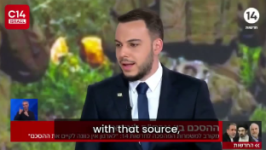
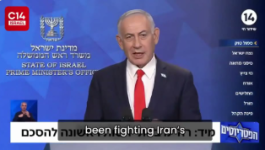
𝐈𝐒𝐑𝐀𝐄𝐋𝐈𝐒 𝐑𝐄𝐕𝐎𝐋𝐓 𝐀𝐆𝐀𝐈𝐍𝐒𝐓 𝐓𝐑𝐔𝐌𝐏’𝐒 𝐈𝐑𝐀𝐍 𝐃𝐄𝐀𝐋 — “𝐀 𝐂𝐀𝐓𝐀𝐒𝐓𝐑𝐎𝐏𝐇𝐄,” 𝐀𝐍𝐃 𝐓𝐇𝐄 𝐍𝐔𝐊𝐄𝐒 𝐀𝐑𝐄𝐍’𝐓 𝐄𝐕𝐄𝐍 𝐈𝐍 𝐈𝐓It isn’t just hawks in America raising the alarm. Across Israel’s entire political spectrum, the proposed US-Iran deal is being torn apart as a 𝐛𝐚𝐝 𝐝𝐞𝐚𝐥 that leaves the real threat untouched.
The country’s largest paper, Yediot Aharonot, ran its main headline as “𝘣𝘢𝘥 𝘥𝘦𝘢𝘭”. Former Defense Minister Avigdor Liberman called it “𝘢 𝘤𝘢𝘵𝘢𝘴𝘵𝘳𝘰𝘱𝘩𝘦 𝘧𝘳𝘰𝘮 𝘐𝘴𝘳𝘢𝘦𝘭’𝘴 𝘱𝘦𝘳𝘴𝘱𝘦𝘤𝘵𝘪𝘷𝘦”.
Their objections are the ones that matter: the deal 𝐝𝐨𝐞𝐬 𝐧𝐨𝐭𝐡𝐢𝐧𝐠 𝐚𝐛𝐨𝐮𝐭 𝐈𝐫𝐚𝐧’𝐬 𝐞𝐧𝐫𝐢𝐜𝐡𝐞𝐝-𝐮𝐫𝐚𝐧𝐢𝐮𝐦 𝐬𝐭𝐨𝐜𝐤𝐩𝐢𝐥𝐞, puts no real curbs on the nuclear program, and has no mechanism to force Tehran to cut off H∗zbollah, H∗mas and the Houthis.
Worse, Israeli officials say 𝐭𝐡𝐞 𝐦𝐨𝐧𝐞𝐲 𝐟𝐥𝐨𝐰𝐬 𝐭𝐡𝐞 𝐰𝐫𝐨𝐧𝐠 𝐰𝐚𝐲 — funds head back into the regime’s coffers instead of squeezing it toward collapse. As one former Netanyahu adviser put it, Trump will declare “𝘢 𝘵𝘰𝘵𝘢𝘭 𝘸𝘪𝘯” no matter what’s in the text.
𝐓𝐡𝐞 𝐩𝐞𝐨𝐩𝐥𝐞 𝐰𝐡𝐨 𝐥𝐢𝐯𝐞 𝐧𝐞𝐱𝐭 𝐭𝐨 𝐭𝐡𝐞 𝐭𝐡𝐫𝐞𝐚𝐭 𝐚𝐫𝐞 𝐜𝐚𝐥𝐥𝐢𝐧𝐠 𝐢𝐭 𝐚 𝐜𝐚𝐭𝐚𝐬𝐭𝐫𝐨𝐩𝐡𝐞. 𝐓𝐡𝐚𝐭 𝐨𝐮𝐭𝐰𝐞𝐢𝐠𝐡𝐬 𝐚𝐧𝐲 𝐩𝐫𝐞𝐬𝐬 𝐫𝐞𝐥𝐞𝐚𝐬𝐞.