Sand and Pebbles continued…
Other trees I specifically noticed were the sweet-smelling ilang ilang tree, with pretty dull green to yellow flowers, often made into leis and garlands. On the way I saw only about 3, so thought how rare, but on the road back and the other side of the road where I now gazed, I counted about a dozen. There is of course more, but I am talking about those I could count. There were young and giant acacias, the aratiles which makes us nostalgic who grew up picking the small sweet red fruits, reaching up for them on tiptoe, apitong, flowery banaba trees, flamboyant tree with the striking, colorful flowers, golden showers, small round breadfruit, and jackfruit said to have the largest tree-borne fruit on earth, kakawate/madre de cacao (said to be used for many skin problems and external parasites too), kapok with the silky fiber from the seeds when they disperse.
You also see some neem (a natural pesticide and medicinal herb), pandan (screwpine, although I see more of smaller varieties a foot or so in height), fiery fire trees, ipil, our national tree the big, strong narra, which is a timber tree also called rosewood, some cashew and pili nut trees.
Ilang-ilang flowers and plant, aratiles, banaba tree with flowers
Golden showers, snow at U.P. Diliman campus from the kapok tree, a narra, and pili tree and fruit/nut
Other fruits are the citrus varieties like calamansi (calamondin) we often use instead of lemons, and the prickly but pretty and sweet superfood, the pineapple with its countless eyes.
Calamondin and pineapples
Of vegetables and herbs, there is the banana, a common fruiting “tree”, often made into ketchup and chips here. There are areas planted to sweet potato, ampalaya, eggplant, oregano, the highly prized Mediterranean herb, small pandan plants, saluyot (jute), string beans, upo (bottle gourd), squash, radish, the aromatic rootstock ginger. I noted some pechay planted on half cement or rice sacks, and of course there were the cut soft drink bottles planted to various vegetables like leeks, lettuce and tomatoes.
Banana with fruit, male flower (heart) below, oregano, upo gourd, and jute leaves with shrimps
Ginger, Unsprayed pechay
Pandan, and a dessert made with pandan
There are areas with plenty of the thorny climber bougainvillea (now i just learned it was named after an admiral who journeyed to the Pacific Ocean in 1768), cosmos, Doña aurora and other doñas,dracaena, tsitsirika (vinca), daisies, ficus varieties, forget-me-nots growing on hairy stems with blue blooms, frangipani, gardenia with the creamy white blooms, gumamela or hibiscus in many shades, fragrant white jasmine (sampaguita) our national flower, lantana, impatiens aplenty, sometimes in small poor men’s houses. There were peace lilies with the lush, green leaves, mostly orange and yellow santan, yellow bells, ti plant, heliconia or lobster claw, warm and cheerful marigolds, roses, and snake plant, with long, rigid leaves.
Pink and yellow bougainvilleas, dona aurora, vinca, sampaguita lei, orange santan
Yellow leaves ti plant, snake plant, banaba (crape myrtle) flowers
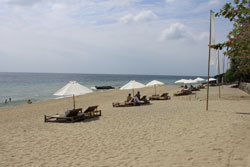
At the beach were of course coconuts, banabas, water lilies, the marine algae seaweeds, some said to contain a complete protein... Is there even a shadow of the sand we sat on, and part of the blog’s title?! I wish I was more observant there. I seem to have looked at some colorful pebbles with different textures and shapes only… from the pale, dull grays to various greens, violets, and oranges.
A seaweed, looking like small green pebbles or beads
Black and gray pebbles, with some white, blue-green and orange
On the way home, our first stop was at a seller of fresh young green coconuts, called buko (or buco) here. Newly harvested buco are mildly sweet, whereas those a few days old would be slightly sour, although you still taste the sweetness. Selling at double the price at the nearest market from where we live, the buco was a welcome breakfast treat/snack and drink for those who haven’t had breakfast. You know you have to deliberately stop by a vendor on the roadside or market for this, because it isn’t available at the supermarket.
Buco pie, juice, and salad
The next was at a fruit stand where we could—and should have bought fruits on the way yesterday, but didn’t—and got some spiky guyabano, mangoes, star apples called golden leaf tree in English, and papayas at last.
Guyabano and papaya
(I hope this is not the Hawaiian gmo variety—for we do have small local varieties which I am sure are not gmo)
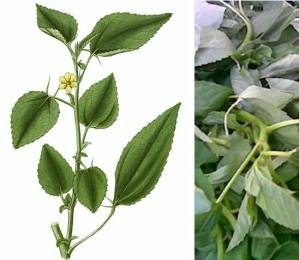
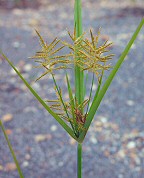
Btw, the weeds are worth mentioning… in fact they must be more than all the others aside from the unidentified trees we passed by. From lowly carabao and frog grasses we often tread on at home, the shiny-leafed pancit pancitan (Peperomia) said to be good for high blood pressure, tawa-tawa (Euphorbia hirta) is a hairy, pantropical herb growing in open grasslands, roadsides and pathways now recognized as an effective cure for dengue. And there are some of the world’s “worst weeds” like tropic ageratum, Johnson grass, nutsedge, and the shy makahiya (Mimosa pudica).
Peperromia, Euphorbia hirta, Ageratum, Johnson grass, nutsedge, and makahiya
… The Lord God made them all.
Note: I have tried to change the font from itals to normal, but would not. Idk why... but i just made captions for pix into bold.
Other trees I specifically noticed were the sweet-smelling ilang ilang tree, with pretty dull green to yellow flowers, often made into leis and garlands. On the way I saw only about 3, so thought how rare, but on the road back and the other side of the road where I now gazed, I counted about a dozen. There is of course more, but I am talking about those I could count. There were young and giant acacias, the aratiles which makes us nostalgic who grew up picking the small sweet red fruits, reaching up for them on tiptoe, apitong, flowery banaba trees, flamboyant tree with the striking, colorful flowers, golden showers, small round breadfruit, and jackfruit said to have the largest tree-borne fruit on earth, kakawate/madre de cacao (said to be used for many skin problems and external parasites too), kapok with the silky fiber from the seeds when they disperse.
You also see some neem (a natural pesticide and medicinal herb), pandan (screwpine, although I see more of smaller varieties a foot or so in height), fiery fire trees, ipil, our national tree the big, strong narra, which is a timber tree also called rosewood, some cashew and pili nut trees.
Ilang-ilang flowers and plant, aratiles, banaba tree with flowers
Golden showers, snow at U.P. Diliman campus from the kapok tree, a narra, and pili tree and fruit/nut
Other fruits are the citrus varieties like calamansi (calamondin) we often use instead of lemons, and the prickly but pretty and sweet superfood, the pineapple with its countless eyes.
Calamondin and pineapples
Of vegetables and herbs, there is the banana, a common fruiting “tree”, often made into ketchup and chips here. There are areas planted to sweet potato, ampalaya, eggplant, oregano, the highly prized Mediterranean herb, small pandan plants, saluyot (jute), string beans, upo (bottle gourd), squash, radish, the aromatic rootstock ginger. I noted some pechay planted on half cement or rice sacks, and of course there were the cut soft drink bottles planted to various vegetables like leeks, lettuce and tomatoes.
Banana with fruit, male flower (heart) below, oregano, upo gourd, and jute leaves with shrimps
Ginger, Unsprayed pechay
Pandan, and a dessert made with pandan
There are areas with plenty of the thorny climber bougainvillea (now i just learned it was named after an admiral who journeyed to the Pacific Ocean in 1768), cosmos, Doña aurora and other doñas,dracaena, tsitsirika (vinca), daisies, ficus varieties, forget-me-nots growing on hairy stems with blue blooms, frangipani, gardenia with the creamy white blooms, gumamela or hibiscus in many shades, fragrant white jasmine (sampaguita) our national flower, lantana, impatiens aplenty, sometimes in small poor men’s houses. There were peace lilies with the lush, green leaves, mostly orange and yellow santan, yellow bells, ti plant, heliconia or lobster claw, warm and cheerful marigolds, roses, and snake plant, with long, rigid leaves.
Pink and yellow bougainvilleas, dona aurora, vinca, sampaguita lei, orange santan
Yellow leaves ti plant, snake plant, banaba (crape myrtle) flowers
At the beach were of course coconuts, banabas, water lilies, the marine algae seaweeds, some said to contain a complete protein... Is there even a shadow of the sand we sat on, and part of the blog’s title?! I wish I was more observant there. I seem to have looked at some colorful pebbles with different textures and shapes only… from the pale, dull grays to various greens, violets, and oranges.
A seaweed, looking like small green pebbles or beads
Black and gray pebbles, with some white, blue-green and orange
On the way home, our first stop was at a seller of fresh young green coconuts, called buko (or buco) here. Newly harvested buco are mildly sweet, whereas those a few days old would be slightly sour, although you still taste the sweetness. Selling at double the price at the nearest market from where we live, the buco was a welcome breakfast treat/snack and drink for those who haven’t had breakfast. You know you have to deliberately stop by a vendor on the roadside or market for this, because it isn’t available at the supermarket.
Buco pie, juice, and salad
The next was at a fruit stand where we could—and should have bought fruits on the way yesterday, but didn’t—and got some spiky guyabano, mangoes, star apples called golden leaf tree in English, and papayas at last.
Guyabano and papaya
(I hope this is not the Hawaiian gmo variety—for we do have small local varieties which I am sure are not gmo)
Btw, the weeds are worth mentioning… in fact they must be more than all the others aside from the unidentified trees we passed by. From lowly carabao and frog grasses we often tread on at home, the shiny-leafed pancit pancitan (Peperomia) said to be good for high blood pressure, tawa-tawa (Euphorbia hirta) is a hairy, pantropical herb growing in open grasslands, roadsides and pathways now recognized as an effective cure for dengue. And there are some of the world’s “worst weeds” like tropic ageratum, Johnson grass, nutsedge, and the shy makahiya (Mimosa pudica).
Peperromia, Euphorbia hirta, Ageratum, Johnson grass, nutsedge, and makahiya
… The Lord God made them all.
Note: I have tried to change the font from itals to normal, but would not. Idk why... but i just made captions for pix into bold.