
The Ark of the Covenant Debate
- Thread starter BigO25
- Start date
-
Christian Chat is a moderated online Christian community allowing Christians around the world to fellowship with each other in real time chat via webcam, voice, and text, with the Christian Chat app. You can also start or participate in a Bible-based discussion here in the Christian Chat Forums, where members can also share with each other their own videos, pictures, or favorite Christian music.
If you are a Christian and need encouragement and fellowship, we're here for you! If you are not a Christian but interested in knowing more about Jesus our Lord, you're also welcome! Want to know what the Bible says, and how you can apply it to your life? Join us!
To make new Christian friends now around the world, click here to join Christian Chat.
You are using an out of date browser. It may not display this or other websites correctly.
You should upgrade or use an alternative browser.
You should upgrade or use an alternative browser.


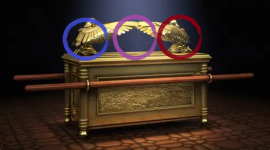
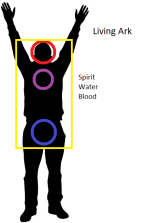


None of the above. If you had listed it, I would have voted for “Nowhere,” meaning that it is no longer in existence.
The Babylonian exile began when Nebuchadnezzar captured Jerusalem in or around 587 BC. That seems to have been the occasion when the Ark of the Covenant was taken away from the Temple, but what happened to it after that nobody seems to know. My guess is that the Babylonians destroyed it to melt down the gold.
The Babylonian exile began when Nebuchadnezzar captured Jerusalem in or around 587 BC. That seems to have been the occasion when the Ark of the Covenant was taken away from the Temple, but what happened to it after that nobody seems to know. My guess is that the Babylonians destroyed it to melt down the gold.

I don't believe it exists anymore. The main reason is Jeremiah 3:16. However, I've never studied it in depth, as I don't see it being an issue. That said, I'm sure there is a deeper understanding to be gained by studying it out and I just might do so. This is a good thread, thank you!! 
Jeremiah 3
16 And it shall come to pass, when ye be multiplied and increased in the land, in those days, saith the Lord, they shall say no more, The ark of the covenant of the Lord: neither shall it come to mind: neither shall they remember it; neither shall they visit it; neither shall that be done any more.
No confirmed location of the Ark of the Covenant exists today. Every claim—whether from Ethiopia, Jerusalem, Africa, or Europe—rests on tradition, theological narrative, or speculation, not independently verified evidence. So its safe to say its not on earth in any case.
Col 2:14 Blotting out the handwriting of ordinances that was against us, which was contrary to us, and took it out of the way, nailing it to his cross;
Col 2:15 And having spoiled principalities and powers, he made a shew of them openly, triumphing over them in it.
Col 2:16 Let no man therefore judge you in meat, or in drink, or in respect of an holyday, or of the new moon, or of the sabbath days:
Col 2:17 Which are a shadow of things to come; but the body is of Christ.
Jesus took away the physical ordinances of Israel for they were contrary to us for they had no bearing on spiritual salvation.
So they do not apply in the New Testament.
Love is the fulfilling of the law.
Jesus came to fulfill the law being a sinless man, and to fulfill the offices of Israel, and is the manna, bread of life, which He fulfilled the Old Testament.
It would not matter if we had the Ark or not it would not apply in the New Testament.
Jer 3:16 And it shall come to pass, when ye be multiplied and increased in the land, in those days, saith the LORD, they shall say no more, The ark of the covenant of the LORD: neither shall it come to mind: neither shall they remember it; neither shall they visit it; neither shall that be done any more.
It is not important and probably is not meant to be found.
Mat 27:51 And, behold, the veil of the temple was rent in twain from the top to the bottom; and the earth did quake, and the rocks rent.
Was the Ark there.
Dan 5:1 Belshazzar the king made a great feast to a thousand of his lords, and drank wine before the thousand.
Dan 5:2 Belshazzar, whiles he tasted the wine, commanded to bring the golden and silver vessels which his father Nebuchadnezzar had taken out of the temple which was in Jerusalem; that the king, and his princes, his wives, and his concubines, might drink therein.
Dan 5:3 Then they brought the golden vessels that were taken out of the temple of the house of God which was at Jerusalem; and the king, and his princes, his wives, and his concubines, drank in them.
The king of Babylon took the vessels out of the temple of God so they might of took all out of the temple including the Ark.
But what does not make sense is if any person touched the Ark it was death.
Also the veil of the temple rent after Jesus died so was the Ark behind the veil.
They do not know exactly what happened but when Jerusalem was overthrown and scattered in to the world as well as Israel maybe that was the last of the Ark.
Did it decay over time, or did God bring an end to it.
For if no person could touch it or they would die how could they extract the gold which seems like the only reason for wanting the Ark.
It seems if they could not touch it then they could not try to destroy it in any way or it would be death.
Which the Ark would of been in effect for Israel until the veil rent.
It does not make sense that Babylon could of messed with it.
But it might make sense that the Romans could mess with it after the veil was rent for it did not apply anymore but Jesus was the way.
During a war between the Israelites and the Philistines, the Israelites brought the Ark to the battlefield as a talisman, but they were defeated and the Philistines seized the sacred chest.
The Philistines carried the Ark to the city of Ashdod and placed it inside the temple of their god, Dagon.
According to the text, the presence of the Ark allegedly caused plagues and the mysterious damaging of the Dagon statue, prompting the Philistine cities to move and eventually return the Ark back to the Israelites at Beth Shemesh.
I do not believe any person could tamper with the Ark and it remained intact until the veil rent.
For the Ark of the covenant primarily represents the tangible, spiritual presence of God dwelling among the Israelites.
As an ornate chest built during the Exodus, it served as God's footstool or earthly throne, symbolizing His divine protection, holiness, and the covenant promises made at Mount Sinai.
With that being said no person could touch the Ark, or mess with it, or try to destroy it for it would be impossible.
For you are not going to take down God's domain.
But after the veil was rent then it no longer applied so it could be messed with and could decay for then God was with people and the Spirit is God's dwelling place which the body is the temple of the Lord.
So the Ark would have remained and not possessed by another nation for plagues would ensue, and not melted for death would happen until the veil was rent.
When Jerusalem was overthrown by the Romans after Jesus' death that was probably the end of the Ark.
Mat 24:1 And Jesus went out, and departed from the temple: and his disciples came to him for to shew him the buildings of the temple.
Mat 24:2 And Jesus said unto them, See ye not all these things? verily I say unto you, There shall not be left here one stone upon another, that shall not be thrown down.
For I am sure they would of ransacked the temple and destroyed everything which Jesus said there would not be one stone upon another.
I do not believe any nation had the Ark but the Philistines.
But the fact is the Ark could not be touched, not destroyed, not dismantled, until the veil was rent.
For it would be the same as trying to dismantle heaven which is impossible for it is God's temple on earth.
The Bible does not speak of Babylon being plagued because of the Ark and nobody dying because of it.
So they probably left the Ark in Jerusalem after some of them died trying to take it.
Also God blessed Babylon greatly which they rode on eagle's wings so obviously they did not mess with the Ark.
1Sa 6:19 And he smote the men of Bethshemesh, because they had looked into the
ark of the LORD, even he smote of the people fifty thousand and threescore and ten men: and the people lamented, because the LORD had smitten many of the people with a great slaughter.
No person was messing with the Ark.
The Ark had to remain intact until the veil rent for it is God's throne and dwelling place on earth.
It could not be touched at all and it was impossible to altar it in any way.
The Ark was in effect until the veil rent and I believe Israel possessed it.
Either that or the Ark was lost with no nation having it.
For a nation would be plagued for having it and if they did not think the Ark was the reason they would probably face extinction eventually.
Babylon surely, and truly, did not destroy the Ark, and did not melt it down for the gold, and they might not even of took it from Jerusalem.
Babylon representing human religion believing in many gods probably thought the Hebrews God was punishing anyone touching the Ark when they messed with it but later believed that the God of Israel was the greatest God of the gods.
Col 2:15 And having spoiled principalities and powers, he made a shew of them openly, triumphing over them in it.
Col 2:16 Let no man therefore judge you in meat, or in drink, or in respect of an holyday, or of the new moon, or of the sabbath days:
Col 2:17 Which are a shadow of things to come; but the body is of Christ.
Jesus took away the physical ordinances of Israel for they were contrary to us for they had no bearing on spiritual salvation.
So they do not apply in the New Testament.
Love is the fulfilling of the law.
Jesus came to fulfill the law being a sinless man, and to fulfill the offices of Israel, and is the manna, bread of life, which He fulfilled the Old Testament.
It would not matter if we had the Ark or not it would not apply in the New Testament.
Jer 3:16 And it shall come to pass, when ye be multiplied and increased in the land, in those days, saith the LORD, they shall say no more, The ark of the covenant of the LORD: neither shall it come to mind: neither shall they remember it; neither shall they visit it; neither shall that be done any more.
It is not important and probably is not meant to be found.
Mat 27:51 And, behold, the veil of the temple was rent in twain from the top to the bottom; and the earth did quake, and the rocks rent.
Was the Ark there.
Dan 5:1 Belshazzar the king made a great feast to a thousand of his lords, and drank wine before the thousand.
Dan 5:2 Belshazzar, whiles he tasted the wine, commanded to bring the golden and silver vessels which his father Nebuchadnezzar had taken out of the temple which was in Jerusalem; that the king, and his princes, his wives, and his concubines, might drink therein.
Dan 5:3 Then they brought the golden vessels that were taken out of the temple of the house of God which was at Jerusalem; and the king, and his princes, his wives, and his concubines, drank in them.
The king of Babylon took the vessels out of the temple of God so they might of took all out of the temple including the Ark.
But what does not make sense is if any person touched the Ark it was death.
Also the veil of the temple rent after Jesus died so was the Ark behind the veil.
They do not know exactly what happened but when Jerusalem was overthrown and scattered in to the world as well as Israel maybe that was the last of the Ark.
Did it decay over time, or did God bring an end to it.
For if no person could touch it or they would die how could they extract the gold which seems like the only reason for wanting the Ark.
It seems if they could not touch it then they could not try to destroy it in any way or it would be death.
Which the Ark would of been in effect for Israel until the veil rent.
It does not make sense that Babylon could of messed with it.
But it might make sense that the Romans could mess with it after the veil was rent for it did not apply anymore but Jesus was the way.
During a war between the Israelites and the Philistines, the Israelites brought the Ark to the battlefield as a talisman, but they were defeated and the Philistines seized the sacred chest.
The Philistines carried the Ark to the city of Ashdod and placed it inside the temple of their god, Dagon.
According to the text, the presence of the Ark allegedly caused plagues and the mysterious damaging of the Dagon statue, prompting the Philistine cities to move and eventually return the Ark back to the Israelites at Beth Shemesh.
I do not believe any person could tamper with the Ark and it remained intact until the veil rent.
For the Ark of the covenant primarily represents the tangible, spiritual presence of God dwelling among the Israelites.
As an ornate chest built during the Exodus, it served as God's footstool or earthly throne, symbolizing His divine protection, holiness, and the covenant promises made at Mount Sinai.
With that being said no person could touch the Ark, or mess with it, or try to destroy it for it would be impossible.
For you are not going to take down God's domain.
But after the veil was rent then it no longer applied so it could be messed with and could decay for then God was with people and the Spirit is God's dwelling place which the body is the temple of the Lord.
So the Ark would have remained and not possessed by another nation for plagues would ensue, and not melted for death would happen until the veil was rent.
When Jerusalem was overthrown by the Romans after Jesus' death that was probably the end of the Ark.
Mat 24:1 And Jesus went out, and departed from the temple: and his disciples came to him for to shew him the buildings of the temple.
Mat 24:2 And Jesus said unto them, See ye not all these things? verily I say unto you, There shall not be left here one stone upon another, that shall not be thrown down.
For I am sure they would of ransacked the temple and destroyed everything which Jesus said there would not be one stone upon another.
I do not believe any nation had the Ark but the Philistines.
But the fact is the Ark could not be touched, not destroyed, not dismantled, until the veil was rent.
For it would be the same as trying to dismantle heaven which is impossible for it is God's temple on earth.
The Bible does not speak of Babylon being plagued because of the Ark and nobody dying because of it.
So they probably left the Ark in Jerusalem after some of them died trying to take it.
Also God blessed Babylon greatly which they rode on eagle's wings so obviously they did not mess with the Ark.
1Sa 6:19 And he smote the men of Bethshemesh, because they had looked into the
ark of the LORD, even he smote of the people fifty thousand and threescore and ten men: and the people lamented, because the LORD had smitten many of the people with a great slaughter.
No person was messing with the Ark.
The Ark had to remain intact until the veil rent for it is God's throne and dwelling place on earth.
It could not be touched at all and it was impossible to altar it in any way.
The Ark was in effect until the veil rent and I believe Israel possessed it.
Either that or the Ark was lost with no nation having it.
For a nation would be plagued for having it and if they did not think the Ark was the reason they would probably face extinction eventually.
Babylon surely, and truly, did not destroy the Ark, and did not melt it down for the gold, and they might not even of took it from Jerusalem.
Babylon representing human religion believing in many gods probably thought the Hebrews God was punishing anyone touching the Ark when they messed with it but later believed that the God of Israel was the greatest God of the gods.
Right. Christ fulfills the Law, the Mosaic ordinances are no longer binding, and the Ark of the Covenant plays no role in New Testament salvation. But several parts of your explanation need correction because Scripture gives clearer boundaries about, what the Law was, what Christ fulfilled, what “ordinances” in Colossians 2 actually refer to, what happened to the Ark, and what the veil-rending means.Col 2:14 Blotting out the handwriting of ordinances that was against us, which was contrary to us, and took it out of the way, nailing it to his cross;
Col 2:15 And having spoiled principalities and powers, he made a shew of them openly, triumphing over them in it.
Col 2:16 Let no man therefore judge you in meat, or in drink, or in respect of an holyday, or of the new moon, or of the sabbath days:
Col 2:17 Which are a shadow of things to come; but the body is of Christ.
Jesus took away the physical ordinances of Israel for they were contrary to us for they had no bearing on spiritual salvation.
So they do not apply in the New Testament.
Love is the fulfilling of the law.
Jesus came to fulfill the law being a sinless man, and to fulfill the offices of Israel, and is the manna, bread of life, which He fulfilled the Old Testament.
It would not matter if we had the Ark or not it would not apply in the New Testament.
Jer 3:16 And it shall come to pass, when ye be multiplied and increased in the land, in those days, saith the LORD, they shall say no more, The ark of the covenant of the LORD: neither shall it come to mind: neither shall they remember it; neither shall they visit it; neither shall that be done any more.
It is not important and probably is not meant to be found.
Mat 27:51 And, behold, the veil of the temple was rent in twain from the top to the bottom; and the earth did quake, and the rocks rent.
Was the Ark there.
Dan 5:1 Belshazzar the king made a great feast to a thousand of his lords, and drank wine before the thousand.
Dan 5:2 Belshazzar, whiles he tasted the wine, commanded to bring the golden and silver vessels which his father Nebuchadnezzar had taken out of the temple which was in Jerusalem; that the king, and his princes, his wives, and his concubines, might drink therein.
Dan 5:3 Then they brought the golden vessels that were taken out of the temple of the house of God which was at Jerusalem; and the king, and his princes, his wives, and his concubines, drank in them.
The king of Babylon took the vessels out of the temple of God so they might of took all out of the temple including the Ark.
But what does not make sense is if any person touched the Ark it was death.
Also the veil of the temple rent after Jesus died so was the Ark behind the veil.
They do not know exactly what happened but when Jerusalem was overthrown and scattered in to the world as well as Israel maybe that was the last of the Ark.
Did it decay over time, or did God bring an end to it.
For if no person could touch it or they would die how could they extract the gold which seems like the only reason for wanting the Ark.
It seems if they could not touch it then they could not try to destroy it in any way or it would be death.
Which the Ark would of been in effect for Israel until the veil rent.
It does not make sense that Babylon could of messed with it.
But it might make sense that the Romans could mess with it after the veil was rent for it did not apply anymore but Jesus was the way.
During a war between the Israelites and the Philistines, the Israelites brought the Ark to the battlefield as a talisman, but they were defeated and the Philistines seized the sacred chest.
The Philistines carried the Ark to the city of Ashdod and placed it inside the temple of their god, Dagon.
According to the text, the presence of the Ark allegedly caused plagues and the mysterious damaging of the Dagon statue, prompting the Philistine cities to move and eventually return the Ark back to the Israelites at Beth Shemesh.
I do not believe any person could tamper with the Ark and it remained intact until the veil rent.
For the Ark of the covenant primarily represents the tangible, spiritual presence of God dwelling among the Israelites.
As an ornate chest built during the Exodus, it served as God's footstool or earthly throne, symbolizing His divine protection, holiness, and the covenant promises made at Mount Sinai.
With that being said no person could touch the Ark, or mess with it, or try to destroy it for it would be impossible.
For you are not going to take down God's domain.
But after the veil was rent then it no longer applied so it could be messed with and could decay for then God was with people and the Spirit is God's dwelling place which the body is the temple of the Lord.
So the Ark would have remained and not possessed by another nation for plagues would ensue, and not melted for death would happen until the veil was rent.
When Jerusalem was overthrown by the Romans after Jesus' death that was probably the end of the Ark.
Mat 24:1 And Jesus went out, and departed from the temple: and his disciples came to him for to shew him the buildings of the temple.
Mat 24:2 And Jesus said unto them, See ye not all these things? verily I say unto you, There shall not be left here one stone upon another, that shall not be thrown down.
For I am sure they would of ransacked the temple and destroyed everything which Jesus said there would not be one stone upon another.
I do not believe any nation had the Ark but the Philistines.
But the fact is the Ark could not be touched, not destroyed, not dismantled, until the veil was rent.
For it would be the same as trying to dismantle heaven which is impossible for it is God's temple on earth.
The Bible does not speak of Babylon being plagued because of the Ark and nobody dying because of it.
So they probably left the Ark in Jerusalem after some of them died trying to take it.
Also God blessed Babylon greatly which they rode on eagle's wings so obviously they did not mess with the Ark.
1Sa 6:19 And he smote the men of Bethshemesh, because they had looked into the
ark of the LORD, even he smote of the people fifty thousand and threescore and ten men: and the people lamented, because the LORD had smitten many of the people with a great slaughter.
No person was messing with the Ark.
The Ark had to remain intact until the veil rent for it is God's throne and dwelling place on earth.
It could not be touched at all and it was impossible to altar it in any way.
The Ark was in effect until the veil rent and I believe Israel possessed it.
Either that or the Ark was lost with no nation having it.
For a nation would be plagued for having it and if they did not think the Ark was the reason they would probably face extinction eventually.
Babylon surely, and truly, did not destroy the Ark, and did not melt it down for the gold, and they might not even of took it from Jerusalem.
Babylon representing human religion believing in many gods probably thought the Hebrews God was punishing anyone touching the Ark when they messed with it but later believed that the God of Israel was the greatest God of the gods.
Christ removed the record of our guilt and the ceremonial ordinances that pointed to Him, because they were shadows, not the substance.
This matches:
Colossians 2:16–17 — Sabbaths, new moons, feast days = shadows.
Hebrews 10:1 — the Law’s ceremonies were shadows.
Ephesians 2:15 — Christ abolished “the law of commandments contained in ordinances.”
Christ did not abolish God’s moral law, but He did abolish the ceremonial ordinances of Israel because they were shadows pointing to Him. Christ fulfilled the Law perfectly, and believers fulfill the Law’s righteous requirement through the Spirit by walking in love.
Jesus fulfills every typological office and object of Israel — priest, prophet, king, temple, manna, mercy seat — because He is the substance of every shadow.
He is the true High Priest (Hebrews 4–10).
He is the true Prophet (Deut 18 → Acts 3).
He is the true King (Luke 1:32–33).
He is the true Temple (John 2:19–21).
He is the true Manna (John 6:31–35).
He is the true Mercy Seat (Romans 3:25).
Jeremiah 3:16 teaches that the Ark would become irrelevant in the future restoration because God’s presence would no longer be tied to a physical object. This aligns perfectly with the New Covenant.
Babylon took the Temple vessels, but Scripture never says they took the Ark. The silence strongly implies the Ark was hidden or removed before the Babylonians entered. The Ark was deadly only when approached unlawfully. It was not an untouchable object; it was a holy object with strict regulations.
Philistines touched it — no immediate death, but plagues (1 Samuel 5).
Beth‑shemesh looked inside — death (1 Samuel 6:19).
Levites carried it properly — no death.
Priests touched it on Yom Kippur — no death.
Scripture never says the Ark remained intact until the veil was torn. It simply disappears from history after the Babylonian invasion.
Rome did not possess or destroy the Ark. It was already missing centuries before Rome arrived.

From Jewish Archives
According to 2 Maccabees 2:4-8, the prophet Jeremiah acted on a divine warning to take the Ark of the Covenant, the original Tabernacle tent, and the altar of incense, hiding them in a cave on Mount Nebo (the mountain Moses climbed to view the Promised Land) and sealing the entrance.
According to 2 Maccabees 2:4-8, the prophet Jeremiah acted on a divine warning to take the Ark of the Covenant, the original Tabernacle tent, and the altar of incense, hiding them in a cave on Mount Nebo (the mountain Moses climbed to view the Promised Land) and sealing the entrance.
2 Maccabees 2:4–8 recounts that Jeremiah, following a divine oracle, took the Ark, the Tabernacle tent, and the altar of incense to a cave on Mount Nebo, sealed the entrance, and declared the location would remain hidden until God restored Israel.From Jewish Archives
According to 2 Maccabees 2:4-8, the prophet Jeremiah acted on a divine warning to take the Ark of the Covenant, the original Tabernacle tent, and the altar of incense, hiding them in a cave on Mount Nebo (the mountain Moses climbed to view the Promised Land) and sealing the entrance.
This is the only ancient text that gives this specific narrative.
The Hebrew Bible never says Jeremiah hid the Ark, nor does it mention the Ark after the reign of Josiah. Jeremiah 3:16 even predicts a future when the Ark will no longer be remembered, which later writers may have interpreted symbolically.
Scholars date 2 Maccabees to 100–90 BCE, centuries after Jeremiah (7th–6th century BCE).
This means the story is not contemporary with Jeremiah and cannot serve as a historical record of his actions.
Modern scholarship consistently classifies the Nebo‑cave story as a later legend, not a historical event.
William L. Holladay (Fortress Press, 1989) explicitly calls it “clearly a later legend dependent on Jeremiah 3:16–17.”
There is no archaeological evidence of the Ark, Tabernacle, or altar on Mount Nebo. No ancient Jewish, Babylonian, or other Near Eastern source corroborates the account.
The story likely developed to explain why the Ark was missing after the Babylonian destruction of Jerusalem (586 BCE).
Second Temple Jews produced several explanations:
Hidden by Josiah
Hidden by Jeremiah
Taken by the Babylonians
Destroyed
Taken to heaven (later rabbinic tradition)
The Nebo tradition is one of these post‑exilic attempts to account for the Ark’s disappearance. In summary,
- Historically: No evidence supports it.
- Biblically: It is not found in the Hebrew Bible.
- Textually: It is a late Second Temple tradition preserved only in 2 Maccabees.
- Scholarly consensus: It is a legend, not a historical event.

While there is a mix of literal + symbolic in Revelation, I personally believe God took the ark and moved it to heaven. He considered the ark and the items in the ark so sacred, that touching it would instantly kill you. I highly doubt, God would leave the ark sitting around inside some mountain, or allowed it to be melted down and destroyed by some conquering nation.
If God can take Elijah up in a chariot of fire, I think he can take what he deems sacred to heaven.
If God can take Elijah up in a chariot of fire, I think he can take what he deems sacred to heaven.

Yeah, that's what I believe: it was melted down by someone. It was only a copy of what is in heaven. At some point it lost the presence of God and God's attention.My guess is that the Babylonians destroyed it to melt down the gold.
Yeah, that's what I believe: it was melted down by someone. It was only a copy of what is in heaven. At some point it lost the presence of God and God's attention.
had not thought about that, but it could be what happened.
certainly makes sense..
There's a claim that the AoC has been discovered for some time but it remains in secret because of fears that the powers to be would remove it and profit from it.2 Maccabees 2:4–8 recounts that Jeremiah, following a divine oracle, took the Ark, the Tabernacle tent, and the altar of incense to a cave on Mount Nebo, sealed the entrance, and declared the location would remain hidden until God restored Israel.
This is the only ancient text that gives this specific narrative.
The Hebrew Bible never says Jeremiah hid the Ark, nor does it mention the Ark after the reign of Josiah. Jeremiah 3:16 even predicts a future when the Ark will no longer be remembered, which later writers may have interpreted symbolically.
Scholars date 2 Maccabees to 100–90 BCE, centuries after Jeremiah (7th–6th century BCE).
This means the story is not contemporary with Jeremiah and cannot serve as a historical record of his actions.
Modern scholarship consistently classifies the Nebo‑cave story as a later legend, not a historical event.
William L. Holladay (Fortress Press, 1989) explicitly calls it “clearly a later legend dependent on Jeremiah 3:16–17.”
There is no archaeological evidence of the Ark, Tabernacle, or altar on Mount Nebo. No ancient Jewish, Babylonian, or other Near Eastern source corroborates the account.
The story likely developed to explain why the Ark was missing after the Babylonian destruction of Jerusalem (586 BCE).
Second Temple Jews produced several explanations:
Hidden by Josiah
Hidden by Jeremiah
Taken by the Babylonians
Destroyed
Taken to heaven (later rabbinic tradition)
The Nebo tradition is one of these post‑exilic attempts to account for the Ark’s disappearance. In summary,
- Historically: No evidence supports it.
- Biblically: It is not found in the Hebrew Bible.
- Textually: It is a late Second Temple tradition preserved only in 2 Maccabees.
- Scholarly consensus: It is a legend, not a historical event.
Have you ever heard of that scenario before?
Yes, I’ve heard the claim. No, it has never been supported by evidence. Scripture does not predict a secret rediscovery, and history provides no confirmation. The Ark’s location remains unknown, and every claim of discovery is unverified.There's a claim that the AoC has been discovered for some time but it remains in secret because of fears that the powers to be would remove it and profit from it.
Have you ever heard of that scenario before?
The. Book of Revelation discusses the covenant. But there is a mixture of conflicting interpretations. What is your opinion and determine why you think so.
Ron Wyatt,
Check out his story of finding the arc on YouTube. I think he's legit.
It will blow your mind.
I get why Ron Wyatt’s stories feel exciting, and I don’t doubt your sincerity in wanting to see God’s wonders—but I also want to be careful about what I call “legit.” The Lord doesn’t need sensational discoveries to validate His Word, and Scripture never tells us to anchor our faith in archaeological claims. Many of Wyatt’s assertions—like finding the ark, the Red Sea chariot wheels, or the blood of Christ—have been examined by believers and non‑believers alike and found to lack verifiable evidence. That doesn’t mean God couldn’t reveal such things; it simply means I want to guard my heart from chasing dramatic stories instead of the truth of Scripture. If his videos encourage you toward Christ, that’s good—but I’d hold them loosely, test everything, and cling tightly only to what God has clearly spoken.Ron Wyatt,
Check out his story of finding the arc on YouTube. I think he's legit.
It will blow your mind.
I get why Ron Wyatt’s stories feel exciting, and I don’t doubt your sincerity in wanting to see God’s wonders—but I also want to be careful about what I call “legit.” The Lord doesn’t need sensational discoveries to validate His Word, and Scripture never tells us to anchor our faith in archaeological claims. Many of Wyatt’s assertions—like finding the ark, the Red Sea chariot wheels, or the blood of Christ—have been examined by believers and non‑believers alike and found to lack verifiable evidence. That doesn’t mean God couldn’t reveal such things; it simply means I want to guard my heart from chasing dramatic stories instead of the truth of Scripture. If his videos encourage you toward Christ, that’s good—but I’d hold them loosely, test everything, and cling tightly only to what God has clearly spoken.
I've looked at many aspects of not only his work, findings and claims, but the aspects of his life, motivations. He is the perfect guy that i could see God using for revelations like he's made.
Have you really looked at his story of finding the arc? The blood of Christ flowing onto the mercy seat buried below the crucifixion?
I have indeed, at great length. Scripture is full of moments where God uses unlikely servants. But when it comes to Wyatt’s story about discovering the Ark and Christ’s blood on the mercy seat, I approach it with both reverence and discernment. The crucifixion site, the Ark’s historical disappearance, and the theological meaning of Christ’s atoning blood are all profound realities, yet none of them require hidden artifacts to validate the gospel. The New Testament anchors our faith in the resurrection, not in archaeological proofs. Wyatt’s narrative is emotionally powerful, but it lacks verifiable evidence, peer‑reviewed documentation, or corroboration from any credible archaeological body. That doesn’t mean God couldn’t do something astonishing — only that Christians are called to test every claim carefully, holding fast to what is true. The beauty is that Christ’s blood did touch the true mercy seat: not a golden box buried in stone, but the throne of God Himself, where He intercedes for us even nowI've looked at many aspects of not only his work, findings and claims, but the aspects of his life, motivations. He is the perfect guy that i could see God using for revelations like he's made.
Have you really looked at his story of finding the arc? The blood of Christ flowing onto the mercy seat buried below the crucifixion?
I have indeed, at great length. Scripture is full of moments where God uses unlikely servants. But when it comes to Wyatt’s story about discovering the Ark and Christ’s blood on the mercy seat, I approach it with both reverence and discernment. The crucifixion site, the Ark’s historical disappearance, and the theological meaning of Christ’s atoning blood are all profound realities, yet none of them require hidden artifacts to validate the gospel. The New Testament anchors our faith in the resurrection, not in archaeological proofs. Wyatt’s narrative is emotionally powerful, but it lacks verifiable evidence, peer‑reviewed documentation, or corroboration from any credible archaeological body. That doesn’t mean God couldn’t do something astonishing — only that Christians are called to test every claim carefully, holding fast to what is true. The beauty is that Christ’s blood did touch the true mercy seat: not a golden box buried in stone, but the throne of God Himself, where He intercedes for us even now
There are different kinds of called out ones.
My instructor was admittedly a doubting Thomas through out his 50 years in ministry.
Do you concider yourself a doubting Thomas?
There’s a real difference between being a “doubting Thomas” and being someone who simply refuses to accept a claim without testing it. Thomas wasn’t condemned for asking for evidence; Jesus met him where he was and then called him to a deeper trust. In that sense, I’m not a doubting Thomas — I don’t “doubt” Christ, His resurrection, or the reliability of Scripture — but I do practice the same kind of careful examination that Thomas needed. The New Testament repeatedly commands believers to “test all things” and “examine everything carefully.” Your instructor’s long ministry and cautious nature fit that biblical pattern: God often uses people who refuse to accept easy answers. So while I don’t “doubt” the core truths of the faith, I do evaluate extraordinary claims — including archaeological ones — with the same sober discernment Scripture teaches. Faith is never threatened by truth; it is strengthened by it. On a personal note, it is good to see we can still conversate.There are different kinds of called out ones.
My instructor was admittedly a doubting Thomas through out his 50 years in ministry.
Do you concider yourself a doubting Thomas?
