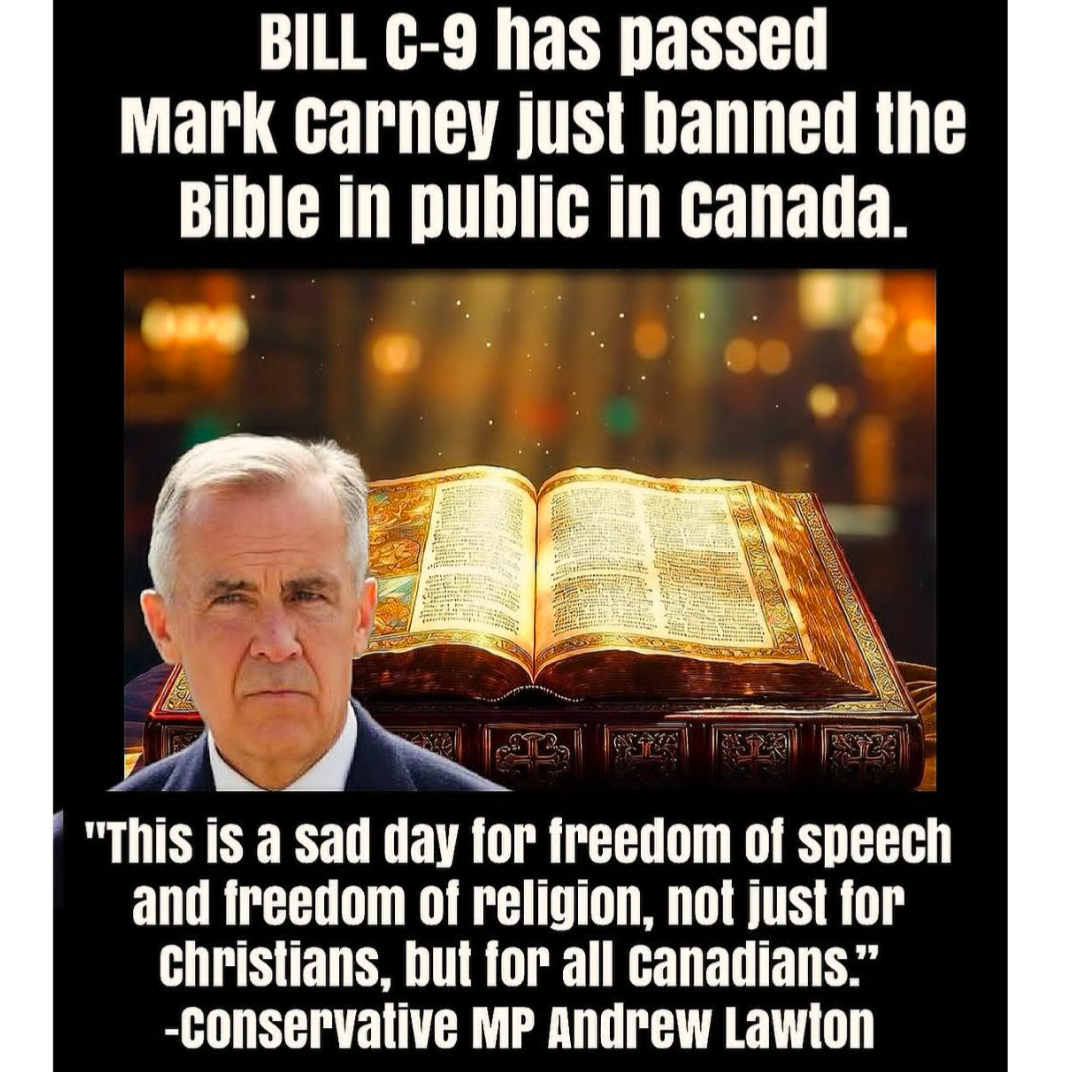
I asked AI to summarize the bill from the proper source and give examples of applications to I can understand as I Canadian.
Here's a plain-language summary of the Justice Canada Charter Statement for
Bill C-9: An Act to amend the Criminal Code (hate propaganda, hate crime and access to religious or cultural places).
You can read the full Charter Statement here:
Justice Canada – Bill C-9 Charter Statement
Summary of Bill C-9
Bill C-9 is intended to strengthen Canada's criminal laws against
hate-motivated conduct while protecting people's Charter rights, particularly freedom of expression and freedom of religion. The Charter Statement explains how the government believes the proposed law balances these competing interests. (
Ministère de la Justice)
The bill proposes four main changes:
- New offence: Intimidating people from accessing protected places
- Makes it a crime to intentionally frighten or intimidate someone to prevent them from entering or using certain places, such as:
- places of worship
- schools
- community centres
- other specified public facilities
- The focus is on conduct meant to create fear that interferes with lawful access. (Ministère de la Justice)
- New offence: Obstructing access
- Makes it illegal to intentionally block or physically prevent people from lawfully entering these protected places. (Ministère de la Justice)
- New hate crime offence
- Creates a Criminal Code offence specifically addressing crimes motivated by hatred toward identifiable groups.
- The goal is to recognize and denounce crimes where hatred is a motivating factor. (Ministère de la Justice)
- Prohibiting public display of certain hate or terrorist symbols
- Creates an offence for publicly displaying specified hate or terrorist symbols when the display amounts to the wilful promotion of hatred against an identifiable group. (Ministère de la Justice)
Charter rights discussed
The Charter Statement identifies several rights that may be affected:
- Freedom of religion (section 2(a))
- The bill seeks to better protect people who want to attend religious services or access religious institutions without intimidation. (Ministère de la Justice)
- Freedom of expression (section 2(b))
- Because the bill regulates some forms of speech and symbolic expression (such as displaying hate symbols), it may limit expression.
- The government argues these limits target only the most harmful forms of expression and are intended to protect vulnerable groups and public safety. (Ministère de la Justice)
- Freedom of peaceful assembly (section 2(c))
- The Charter Statement notes that protests remain protected, but conduct that intentionally intimidates or obstructs access to protected places may cross into criminal behaviour. (Ministère de la Justice)
Practical examples
Here are a few hypothetical examples of how the proposed offences could apply.
Example 1 – Intimidation
- A group surrounds the entrance to a synagogue and threatens worshippers so they are afraid to enter.
- This could fall under the new intimidation offence because the conduct is intended to create fear and prevent access.
Example 2 – Blocking access
- Protesters physically chain themselves across the entrance to a mosque, preventing people from entering for services.
- The intentional obstruction of lawful access could constitute the new obstruction offence.
Example 3 – Hate-motivated assault
- Someone assaults a person because they are Jewish, Muslim, Sikh, Black, or another protected identifiable group, and the evidence shows hatred motivated the attack.
- The new hate crime provisions could apply in addition to existing assault charges.
Example 4 – Public display of hate symbols
- A person publicly displays a prohibited hate symbol in circumstances intended to wilfully promote hatred against an identifiable group.
- Depending on the facts and the legal requirements, this could constitute the new offence.
What likely would
The Charter Statement makes clear that the bill is not intended to criminalize lawful expression or peaceful protest merely because it is controversial. For example:
- peacefully criticizing a religion
- participating in a lawful demonstration without intimidating or blocking others
- expressing political opinions that do not meet the legal threshold for hate propaganda
Whether conduct crosses the line into a criminal offence would depend on the specific facts and the elements prosecutors must prove beyond a reasonable doubt. (
Ministère de la Justice)
Overall, the Charter Statement's position is that Bill C-9 seeks to
increase protection against hate-motivated intimidation, obstruction, and violence while preserving Charter-protected freedoms, subject to the limits that the government argues are reasonable and justified under section 1 of the Charter. (
Ministère de la Justice)