
Did Jesus take the punishment for our sins?
- Thread starter LeeLoving
- Start date
-
Christian Chat is a moderated online Christian community allowing Christians around the world to fellowship with each other in real time chat via webcam, voice, and text, with the Christian Chat app. You can also start or participate in a Bible-based discussion here in the Christian Chat Forums, where members can also share with each other their own videos, pictures, or favorite Christian music.
If you are a Christian and need encouragement and fellowship, we're here for you! If you are not a Christian but interested in knowing more about Jesus our Lord, you're also welcome! Want to know what the Bible says, and how you can apply it to your life? Join us!
To make new Christian friends now around the world, click here to join Christian Chat.
You are using an out of date browser. It may not display this or other websites correctly.
You should upgrade or use an alternative browser.
You should upgrade or use an alternative browser.


What does scripture say about this?
I'm not sure if me answering that question is going to help me. (might have trouble retaining things, so I might not know what you're asking about) (also I might have submitted this post not really sure if I had everything right)
I'm not sure if me answering that question is going to help me. (might have trouble retaining things, so I might not know what you're asking about) (also I might have submitted this post not really sure if I had everything right)
I might have submitted the post not sure if I was responding to everything right.
I'm not sure if me answering that question is going to help me. (might have trouble retaining things, so I might not know what you're asking about) (also I might have submitted this post not really sure if I had everything right)
Hopefully this verse should answer your question.
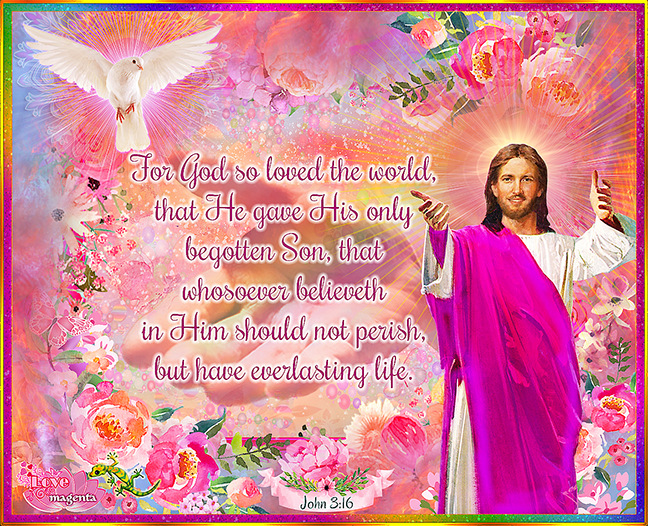
John 3:16
For God so loved the world that he gave his one and only Son, that whoever believes in him shall not perish but have eternal life.
There was nothing wrong whatsoever with your opening post. You asked a most basic and pertinent inquiry in regards to salvation.
This verse also may be helpful to you in searching the truth about God because it is the most basic truth of the bible in matters pertaining everyone that God has created.
1John 4:8
God is love.
1JOHN 4:9.
In this was manifested The Love of God toward us, because that God sent
His only begotten Son into the world, that we might live through Him.
10.
Herein is Love, not that we loved God, but that He loved us,
and sent His Son to be the propitiation for our sins.
11.
Beloved, if God so loved us, we ought also to love one another.
In this was manifested The Love of God toward us, because that God sent
His only begotten Son into the world, that we might live through Him.
10.
Herein is Love, not that we loved God, but that He loved us,
and sent His Son to be the propitiation for our sins.
11.
Beloved, if God so loved us, we ought also to love one another.
Jesus appeased, or paid the debt, for God's WRATH for humanities sins. Think for a moment, why not have Jesus just live a perfect life and then die sinless, and of old age? No, JUSTICE demanded the highest penalty, and suffering, for sin's crimes, of which Jesus fulfilled completely.

Yes, Jesus took the punishment for our sins.So Jesus took the punishment for our sins? (is it right to use the word sins?)
There are two questions here, since if you mean was Jesus punished on account of the sinfulness of man there is no Scriptural answer but yes. However, most when they say such a thing mean to say that Jesus was a satisfaction for our sins. I see no Scriptural support to this idea, though much of modern theology turns on it. Instead it seems that there was a progression from Anselm proposing that Jesus was a satisfaction for God's honor until Calvin proposing that Jesus was a satisfaction for God's wrath. All of these rely on extraBiblical assumptions and present God as a pagan deity more than the true God that is presented in the Bible, in my opinion.
Bbrdrd it appears pagan because it looks like there's no call to transformation to go along with the sacrifice? eg make sacrifice, make the rains come/land fertile, carry on as normal?
But the Holy Spirit is what makes it more than that kind of thing. Some of the theological problems seem to be caused by leaving the Holy Spirit out and trying to create answers by the back door.
That approach doesn't work in maths or science that now embraces 'meta physics' in unthinkable ways not because they suddenly got 'spiritual' but the data coming back led them to it.
But the Holy Spirit is what makes it more than that kind of thing. Some of the theological problems seem to be caused by leaving the Holy Spirit out and trying to create answers by the back door.
That approach doesn't work in maths or science that now embraces 'meta physics' in unthinkable ways not because they suddenly got 'spiritual' but the data coming back led them to it.
No, it appears pagan because it centers around the idea of "propitiating" an angry deity. I don't see in the Bible any grounds for declaring that God is some angry and wrathful being who needs to be placated by virgin blood, and instead see every grounds for seeing God as a loving father sacrificing everything so that the wayward child can be brought back into right standing. The idea of satisfaction pits God the Father, the angry deity, against God the Son, the worthy sacrifice. The very idea of satisfaction seems something foreign to the picture of sin and atonement that I find myself confronted with from the pages of Genesis until the passion.Bbrdrd it appears pagan because it looks like there's no call to transformation to go along with the sacrifice? eg make sacrifice, make the rains come/land fertile, carry on as normal?
But the Holy Spirit is what makes it more than that kind of thing. Some of the theological problems seem to be caused by leaving the Holy Spirit out and trying to create answers by the back door.
That approach doesn't work in maths or science that now embraces 'meta physics' in unthinkable ways not because they suddenly got 'spiritual' but the data coming back led them to it.

The problem arose with mistranslating the Greek word hilasterion as propitiation.
Young's Literal:
(Rom 3:25 whom God did set forth a mercy seat, through the faith in his blood, for the shewing forth of His righteousness, because of the passing over of the bygone sins in the forbearance of God)
Young's Literal:
(Rom 3:25 whom God did set forth a mercy seat, through the faith in his blood, for the shewing forth of His righteousness, because of the passing over of the bygone sins in the forbearance of God)
Instead of me writing out scripture, I propose that you check out the words anger, and wrath, in the concordance, in regard to God, and sins propitiation. Hell fire for the devil and his angels, and the ungodly as well. Sodom and Gomora are other examples of God's hatred and judgement for sin. Most "opinions do not line up with the word of God, but if given, they must be straight arrow in that they are doctrinally sound.There are two questions here, since if you mean was Jesus punished on account of the sinfulness of man there is no Scriptural answer but yes. However, most when they say such a thing mean to say that Jesus was a satisfaction for our sins. I see no Scriptural support to this idea, though much of modern theology turns on it. Instead it seems that there was a progression from Anselm proposing that Jesus was a satisfaction for God's honor until Calvin proposing that Jesus was a satisfaction for God's wrath. All of these rely on extraBiblical assumptions and present God as a pagan deity more than the true God that is presented in the Bible, in my opinion.
Looking up those things will in no way allude to a picture of the atonement that pits an angry God the Father against God the Son as a means of placation. The whole of satisfaction of wrath revolves around pagan concepts of sin and atonement rather than Scriptural foundations.Instead of me writing out scripture, I propose that you check out the words anger, and wrath, in the concordance, in regard to God, and sins propitiation. Hell fire for the devil and his angels, and the ungodly as well. Sodom and Gomora are other examples of God's hatred and judgement for sin. Most "opinions do not line up with the word of God, but if given, they must be straight arrow in that they are doctrinally sound.
Looking up those things will in no way allude to a picture of the atonement that pits an angry God the Father against God the Son as a means of placation. The whole of satisfaction of wrath revolves around pagan concepts of sin and atonement rather than Scriptural foundations.
But the does not negate God's wrath, it just wasn't part of the cross. Revelation deals with the wrath of God.
Yeah, I definitely wouldn't deny God is wrathful. But God's wrath is unlike man's wrath in that it is directed against the guilty alone and it is primarily restorative rather than punitive.But the does not negate God's wrath, it just wasn't part of the cross. Revelation deals with the wrath of God.
Yeah, I definitely wouldn't deny God is wrathful. But God's wrath is unlike man's wrath in that it is directed against the guilty alone and it is primarily restorative rather than punitive.
Yeah, I definitely wouldn't deny God is wrathful. But God's wrath is unlike man's wrath in that it is directed against the guilty alone and it is primarily restorative rather than punitive.

The wrath of God is manifest in hardened hearts.
The wrath of God is manifest in the hatred the world has for Our Saviour.
The more conformed one is to Christ the more one is called to bear punishment from the wrath of God that issues from hardened hearts.
We are His Body that on the cross bore the punishment delivered by the wrath of God that flows from hearts hardened by sin.
.
The wrath of God is manifest in the hatred the world has for Our Saviour.
The more conformed one is to Christ the more one is called to bear punishment from the wrath of God that issues from hardened hearts.
We are His Body that on the cross bore the punishment delivered by the wrath of God that flows from hearts hardened by sin.
.