I don’t think there are any specific implications per se. The text in Hebrew is indeed ‘yam suph’; ‘reed sea’. The confusion seems to have come about with earlier English ‘rede sea’ (being 'reed' sea) being copied and accidentally misread and changed to ‘red sea’.
There are a few schools of thought over where the actual location of this ‘sea’ was. Some suggest it was actually more a swamp since ‘suph’ may actually be an Egyptian loan word into Hebrew; namely ‘thuf’ which refers specifically to an uncut papyrus reed; thus, something like “papyrus marsh”.
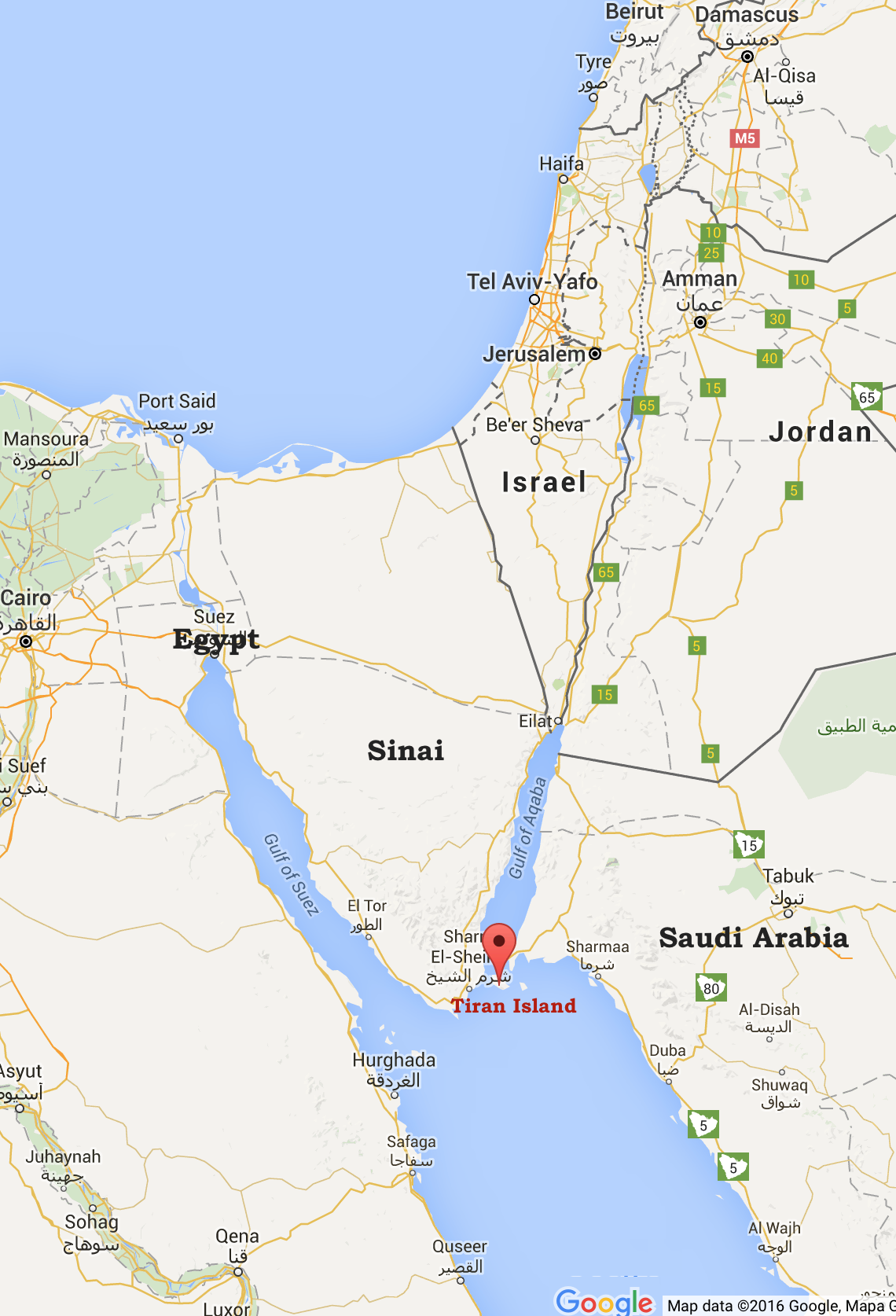
Various smaller lakes around the Red Sea area have been postulated as the location.
(from an internet article….)
"More conjecturally, it has also been suggested that suph may be related to the Hebrew suphah ("storm") or soph ("end"), referring to the events of the Reed/Red Sea escape itself:
The crossing of the sea signaled the end of the sojourn in Egypt and it certainly was the end of the Egyptian army that pursued the fleeing Hebrews (Ex 14:23-29; 15:4-5). After this event at Yam Suph, perhaps the verb Soph, meaning "destroy" and "come to an end," originated (cf. Amos 3:15; Jer 8:13; Isa 66:17; Psa 73:19). Another possible development of this root is the word suphah, meaning "storm-wind"...The meanings "end" and "storm-wind" would have constituted nice puns on the event that took place at the Yam Suph."
In short, the exact location is simply not known. As some have pointed out, the Red Sea’s width averages about 150 miles - there’s no way that could have been crossed in just a single day/night by a large group of people, though to be fair, the Biblical account focuses more on the water being parted, and then pharaoh's army being subsequently drowned, not how long it took to cross.
So, as I say, the location itself is really not the focal point; the fact that the body of water, wherever it may have been, seems to have been deep enough to have ‘walls of water’ on both sides when it was parted suggests a body of water with some depth. In addition, even if it were a marshy area, heavy chariots could have been bogged down, but certainly not deep enough for people to have drowned (unless they sank up to their necks in mud). Conversely too, a large group of people (the Israelites) would have had just as much, if not more, weight in objects than the Egyptian army and they didn’t seem to have an issue with getting stuck in any mud.
I think discovering the actual location would be more of historical importance than Biblical as it would give better clues as to the actual route used.