First documented by miners back in the 1900s, these rocks range from pebbles to 600-pound (272-kilogram) boulders and seem to move of their own accord. The only evidence of their activity is a series of long, perplexing trails left in the valley’s dried mud. (Related: “Stranger Than Nature: Death Valley’s Moving Rocks.”)
Scientists have been trying to solve the mystery of the sliding rocks since 1948, and have since proposed all manner of explanation: dust devils, flooding, ice sheets, hurricane-force winds, and algal films
Source: Watch Death Valley’s Rocks Walk Before Your Eyes – National Geographic Society (blogs)

They say they figured it out,
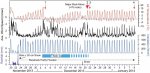
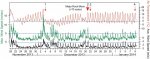
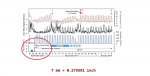
Unlike one of the previous explanations, which had thick ice capturing the rocks and carrying them along like a miniature glacier, Norris said their evidence shows that thin ice floes break up and pile against the rocks. This creates enough friction to cause the rocks to skim across the muddy surface of a temporary pond. If you were there to see it, the rocks would look like ice-breaker ships plowing through sea ice—though in this instance, it’s the ice that’s moving the ships.
I ain't buying that explanation. The stones have been reported to moved at different times of the year so if related to freezing conditions then how do they explain the times the stones have been observed having moved when freezing conditions were not present? They don't.
Maybe it is the finger of God pushing them?
Scientists have been trying to solve the mystery of the sliding rocks since 1948, and have since proposed all manner of explanation: dust devils, flooding, ice sheets, hurricane-force winds, and algal films
Source: Watch Death Valley’s Rocks Walk Before Your Eyes – National Geographic Society (blogs)
They say they figured it out,
Unlike one of the previous explanations, which had thick ice capturing the rocks and carrying them along like a miniature glacier, Norris said their evidence shows that thin ice floes break up and pile against the rocks. This creates enough friction to cause the rocks to skim across the muddy surface of a temporary pond. If you were there to see it, the rocks would look like ice-breaker ships plowing through sea ice—though in this instance, it’s the ice that’s moving the ships.
I ain't buying that explanation. The stones have been reported to moved at different times of the year so if related to freezing conditions then how do they explain the times the stones have been observed having moved when freezing conditions were not present? They don't.
Maybe it is the finger of God pushing them?