We are to approach Scripture the way Proverbs tells us to approach wisdom—by seeking it "as silver, and searchest for her as for hid treasures" (Prov. 2:4). Truth is often discovered by comparing Scripture with Scripture rather than expecting every passage to explain every detail.
Jesus frequently taught in ways that required His hearers to search deeper. For example, He never plainly said, "I am God," yet He revealed His deity throughout His words and actions. Likewise, He did not always explain every implication of the new birth in a single conversation.
In John 3, Jesus told Nicodemus that a man must be "born of water and of the Spirit." He did not stop to define those terms because the fuller revelation would come after His death, burial, resurrection, and the giving of the Holy Ghost. The apostles later explained and applied Jesus' teaching. On the Day of Pentecost, when people asked, "What shall we do?" Peter answered, "Repent, and be baptized every one of you in the name of Jesus Christ for the remission of sins, and ye shall receive the gift of the Holy Ghost" (Acts 2:38). That answer corresponds remarkably with Jesus' words about being born of water and Spirit.
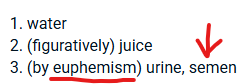
There is another observation in John 3 that is often overlooked. Immediately after Jesus speaks of being "born of water and of the Spirit," the remainder of the chapter turns to the subject of water baptism. John 3:22 says, "After these things came Jesus and his disciples into the land of Judaea; and there he tarried with them, and baptized." Then John 3:23 adds that John also "was baptizing in Aenon near to Salim, because there was much water there." Rather than leaving the subject of water behind, the chapter immediately records both Jesus' disciples and John administering water baptism. While the passage does not explicitly state that "water" in verse 5 means baptism, the immediate context certainly makes water baptism a significant part of the discussion rather than an unrelated topic.
You mentioned that Paul alone connects baptism with death and resurrection in Romans 6. Paul certainly develops that truth there, but he is not inventing a new doctrine. He is explaining what the apostles had already been practicing from the beginning. Peter was commanding water baptism decades (AD 30-33) before Romans was written (AD 56-58), and people were already being baptized into Christ throughout Acts.
It is also worth noting that Jesus did speak directly about baptism in connection with salvation. In Mark 16:16 He said, "He that believeth and is baptized shall be saved." Before His ascension He commanded the apostles to baptize (Matthew 28:19). Those same apostles consistently obeyed that command in Acts by water baptizing believers in the name of Jesus Christ.
The comparison of baptism to "registering for college" does not fit the biblical evidence. Throughout Acts, baptism is consistently connected with the remission of sins (Acts 2:38), washing away sins (Acts 22:16), being buried with Christ (Rom. 6:3-4; Col. 2:12), putting on Christ (Gal. 3:27), and the answer of a good conscience toward God (1 Peter 3:21). Those descriptions go far beyond a public declaration of discipleship.
Finally, the New Testament does not separate conversion from baptism the way many do today. When people believed the gospel, they repented, were water baptized in the name of Jesus, and received the Holy Ghost. The apostles did not treat baptism as an optional symbol for those who were already converted. They treated it as part of the obedient response of faith to the gospel Christ commanded them to preach.
So the issue is not whether Jesus used the exact word "baptism" every time He spoke about the new birth. The issue is whether the apostles, under the inspiration of the Holy Ghost, understood and fulfilled His teaching. When Scripture is searched as a whole rather than isolated into individual verses, the consistent testimony of the New Testament is that the new birth Jesus announced in John 3 finds its fulfillment in repentance, water baptism in the name of Jesus, and receiving the Holy Ghost.