~This side of the 'glass'~
- Thread starter Bingo
- Start date
-
Christian Chat is a moderated online Christian community allowing Christians around the world to fellowship with each other in real time chat via webcam, voice, and text, with the Christian Chat app. You can also start or participate in a Bible-based discussion here in the Christian Chat Forums, where members can also share with each other their own videos, pictures, or favorite Christian music.
If you are a Christian and need encouragement and fellowship, we're here for you! If you are not a Christian but interested in knowing more about Jesus our Lord, you're also welcome! Want to know what the Bible says, and how you can apply it to your life? Join us!
To make new Christian friends now around the world, click here to join Christian Chat.
You are using an out of date browser. It may not display this or other websites correctly.
You should upgrade or use an alternative browser.
You should upgrade or use an alternative browser.




**In the Bible, evil is primarily understood as anything that opposes God's character, will, and good design for creation. It is often contrasted with good and can refer to moral failings, harmful actions, or even suffering and calamity. Ultimately, evil is seen as a departure from God's intended order and a perversion of His good creation.
Opposite of God's Character:
Evil is defined about God's holiness and goodness. It is anything that contradicts His nature and desires.
Moral Evil:
This refers to actions that are sinful and violate God's law, such as murder, theft, adultery, and idolatry. It also encompasses the motivations and intentions behind these actions.
Suffering and Calamity:
While not always directly caused by human action, suffering and disaster can also be considered evil in the sense that they are contrary to God's desire for His creation to flourish.
Spiritual Evil:
The Bible also speaks of evil forces, particularly Satan and his demons, who actively oppose God and tempt humans to sin.
Deficiency and Corruption:
Evil can also be seen as a lack or corruption of good. It is not a separate, independent force, but rather a perversion or distortion of something that was originally good.
Human Agency:
Evil is often associated with human choices and actions, as humans possess the capacity to choose between good and evil. The Bible emphasizes the consequences of these choices and the necessity of turning away from evil.
(Free will is often seen as the underlying capacity that enables choices.)
In essence, the Bible presents evil as a multifaceted concept that encompasses moral failings, suffering, and spiritual opposition to God, all of which are ultimately rooted in a departure from God's good and intended design.
**(Intended solely as informative and subjects to reflect on.
Spiritual maturity and growth depend on the measure of one's intent. )
Ponder this carefully.
Ultimately, evil is seen as a departure from God's intended order and a perversion of His good creation.

**In a Christian context, "perversion" refers to any deviation from God's intended design and moral order, particularly regarding sexuality.
. The Bible portrays perversion as a turning away from what is right, pure, and aligned with divine standards, encompassing actions, words, and intentions that oppose or distort the Creator's design. This can include sexual immorality, but extends to the corruption of justice, distortion of truth, and false teachings.
Within the Christian 'community', perversion can cause significant harm on various levels:
Spiritual harm
Damaged Relationship with God:
Perversion creates a barrier between the individual and God, hindering their spiritual growth and intimacy with Him. (Isaiah 59:2) states, "Your iniquities have built barriers between you and your God,".
Grieving the Holy Spirit:
The Bible teaches that believers are the temple of the Holy Spirit. Sexual sin, a form of perversion, defiles this temple and "grieves the Holy Spirit."
Loss of Spiritual Power and Joy:
Perversion can lead to a loss of spiritual power and joy in one's relationship with God.
Loss of God's Favor:
Repeated or unrepentant perversion can result in a loss of God's favor and impact one's spiritual well-being.
Relational harm:
Betrayal and Broken Trust:
Perversion, especially sexual sin like adultery, involves betrayal and can shatter trust in relationships within the church community.
Severing of Relationships:
It can lead to the breakdown of families, friendships, and relationships within the community body.
Damaged Witness to the World:
Perversion within the church can erode its credibility and hinder its witness to those outside the faith.
Emotional and Psychological Distress:
Perversion can cause deep emotional and psychological pain, including shame, guilt, and depression.
Self-Destruction:
Sexual sin is described as uniquely self-destructive, leading individuals down a path of internal decay.
Mental and Physical Health Problems:
Perversion can contribute to various mental and physical health issues.
Harm to the church community
Division and Conflict:
Perversion can create tension and conflict within the church body.
Hindering Ministry Effectiveness:
When leaders or members engage in perversion, it can damage the church's ability to effectively minister
to others and spread the Gospel.
Damaged Reputation and Witness:
Perversion within the church can lead to negative perceptions and hinder its outreach to the community.
In summary, perversion within the Christian body is a serious issue with far-reaching consequences for individuals,
relationships, and the church as a whole. The Bible consistently calls believers to guard against perversion by embracing truth, righteousness, and holiness, while also offering hope for repentance, forgiveness, and restoration through Christ.
**(Intended solely as informative and subjects to reflect on.
Spiritual maturity and growth depend on the measure of one's intent. )

God's intended design, however, is a conscious, deliberate, and persistent rejection of the Holy Spirit's work.
It is conceivable that, through tampering with scripture, the work of the Holy Spirit that inspired the authors of the
sacred readings surely constitutes blasphemy!
God's intended design and purpose do not include "man's" worldly perception of attempting to explain the unknown
and things simply not meant to be understood.
Blasphemy of the Holy Spirit, often called the unforgivable sin, is a deliberate and persistent rejection
of the Holy Spirit's work and testimony about Jesus Christ!
Truth can be abandoned when driven by a desire for comfort, a reluctance to accept uncomfortable realities,
or a need to protect one's ego or existing beliefs.

**In the Bible, a parable is a short, relatable story that uses familiar situations to illustrate a deeper, often spiritual, truth or moral. These stories are designed to convey complex ideas in a memorable and thought-provoking way. Jesus frequently used parables to teach about the Kingdom of God, morality, and the nature of faith.
Illustrative Stories:
Parables are not meant to be taken literally, but rather as comparisons that help listeners understand abstract
concepts by relating them to everyday experiences.
Hidden Meanings:
While some parables are straightforward, others are more complex, requiring interpretation to grasp the intended spiritual message.
Purpose of Teaching:
Jesus used parables to engage his audience, provoke thought, and challenge them to consider their own beliefs and actions.
Examples in the Bible:
Well-known parables include the Parable of the Sower, the Parable of the Good Samaritan, and the Parable of the Prodigal Son.
Different Interpretations:
Some scholars suggest that parables can reveal or conceal meaning, depending on the listener's receptiveness.
Not Just Illustrations:
Jesus's parables are not merely decorative additions to his teachings; they are integral to his message about the Kingdom of God and its implications for daily life.
**(Intended solely as informative and subjects to reflect on.
Spiritual maturity and growth depend on the measure of one's intent. )
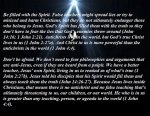
"Requiring interpretation to grasp the intended spiritual message."
Many do not grasp this profound fundamental truth.

**The assertion, "we are nothing without the Holy Spirit," is a common Christian belief rooted in the Bible (specifically the teachings of Jesus and Paul) which states that apart from the Holy Spirit's divine power, grace, and guidance, humans are incapable of doing anything truly good, understanding God's will, or achieving eternal life. The Spirit provides the life, moral quality, and power necessary for a meaningful, God-pleasing life and for salvation.
Why the Holy Spirit is Essential:
Divine Grace and Power:
The Holy Spirit gives the "divine grace needed to accomplish something good for eternal life," without which actions become tainted or meaningless.
Guidance and Direction:
The Holy Spirit directs our journey and points us in the right direction, providing the intelligence and understanding of God's plan.
Spiritual Life:
The Holy Spirit is described as the "soul of this divine life," and without the Spirit, there is no spiritual life, eternal life, or moral capacity for salvation.
Rebirth and Holiness:
The Holy Spirit enables spiritual "birth" and produces holiness, which are impossible to achieve on our own.
Prayer and Connection:
Christians are empowered to pray and maintain a connection with God through the Spirit.
Authentication of Truth:
The Holy Spirit is responsible for revealing truth, convicting people of truth, and illuminating God's word.
A person's identity is shaped by having the "Spirit of Christ," and if they don't have the Spirit, they are not His.
The fruit of the Spirit demonstrates what can be accomplished through the Spirit's presence.
. **(Intended solely as informative and subjects to reflect on.
Spiritual maturity and growth depend on the measure of one's intent. )
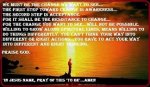
The significance of this truth is surely profound, and ignoring it shall surely
leave many on the outside and alone with one's own worldly delusions.
The sentiment "alone with worldly delusions and away from God's divine grace" describes a state
of spiritual struggle characterized by isolation, misguided attachments, and a feeling of distance from the divine.
It captures the conflict between worldly desires and the pursuit of a spiritual life.
The illusion of the material world prevents spiritual understanding and leads to suffering.
In a spiritual context, it implies the temporary and transient nature of worldly existence,
which too often some cling to, is a misconception.
.
(Let the reader beware, the following subject matter is sensitive and controversial!!)
https://www.google.com/url?sa=t&sou...EKAB6BAgZEAE&usg=AOvVaw0bluuCOE_2k8UgRhr4g6W6
**Spiritual delusions are fixed, false beliefs about religious or spiritual matters that are not based in reality and are held despite conflicting evidence. These delusions are characterized by themes such as believing one is a religious figure or has a divine mission, possessing special spiritual powers, or being persecuted by supernatural forces. Unlike culturally accepted religious beliefs, spiritual delusions are idiosyncratic and cause significant distress or functional impairment in the individual's life.
Characteristics of Spiritual Delusions
Fixed and False Beliefs:
They are strongly held ideas that are not supported by facts or logic and resist change, even when presented with contradictory information.
Religious Content:
The core of the delusion involves religious themes, figures, or supernatural concepts.
Uncommon and Idiosyncratic:
The belief is not a normal or shared part of a specific religious culture or subculture.
Impact on Functioning:
The belief interferes with the person's ability to function in their daily life, potentially leading to isolation or harmful behaviors.
Examples of Spiritual Delusions
Delusions of Grandeur:
Believing oneself to be a prophet, the messiah, or a saint with special religious powers or a divine mission.
Persecutory Delusions:
An intense conviction of being targeted by demons, negative spiritual forces, or divine punishment.
Delusions of Reference:
Interpreting everyday events as messages or signs from a divine being.
Beliefs of Special Knowledge or Power:
Convinced of having direct communication with God or possessing unique spiritual insights into the world's fate.
Distinction from Religious Beliefs
Cultural Context:
While religious beliefs are culturally shared and often a source of comfort, spiritual delusions are individual and deviate from accepted religious norms.
Reality-Based Evidence:
A key difference is that while religious faith involves confidence, a delusion is an unshakable conviction in something that is demonstrably untrue or irrational.

Sadly, the above news media story tragedy, in a sense, has been brought to light
by other stories of individuals that have been "told by God" to act upon radical
behavior with tragic consequences of causing the death of loved ones, often with the premise
of saving someone from the world and delivering them to "heaven".
Radical "religious" behavior refers to the adoption of extreme political, social, or religious ideals that reject
established norms and seek to fundamentally alter or undermine the status quo, often involving the use of violence or other destructive acts to achieve ideological goals.
Surely a common spiritual problem for Christians is feeling overwhelmed and burned out by Bible study.
Information overload can lead to "spiritual indigestion", which may have far-reaching and undesirable results.


**The phrase "more than ever before, families must resort to God and family" reflects a perspective that faith and family bonds provide essential refuge and resilience in a world perceived as increasingly complex and unstable.
This viewpoint is often rooted in belief systems that see these institutions as primary sources of strength and moral guidance, especially when other societal structures appear unreliable.
Challenges prompting a turn toward family and God. Families may turn toward faith and close relationships during times of increased instability and distress, which several modern social trends have exacerbated.
Declining trust in institutions: Trust in institutional structures, including governments, has declined significantly, causing many to seek stability and security in their most immediate and trusted networks.
The rise of secularism: Societal conflicts over values have grown as religious affiliation and attendance have fallen. This has led some families to intentionally re-center themselves on faith and traditional values in the face of what they see as cultural drift.
Digital distraction:
Modern life is characterized by "packed schedules, sports practices, and digital distractions" that can fragment family time and communication. Emphasizing family and God can be a conscious effort to restore connection and meaning.
Increased family complexity:
Higher rates of interfaith marriage, divorce, and blended family structures have increased the complexity of modern family life. In response, some turn to a shared faith to foster unity and strengthen bonds.
Benefits of focusing on God and family:
For those who adopt this perspective, prioritizing God and family offers numerous psychological, social, and spiritual benefits:
Increased resilience:
A shared belief system and spiritual practices can foster hope and strengthen family bonds, helping family members overcome hardships and trauma together.
A strong support network:
The family unit serves as a vital support system, providing emotional, practical, and financial support during challenging times. Faith communities can expand this network, providing an additional layer of social support.
Improved mental well-being:
Studies have found that religious and spiritual practices can reduce stress, anxiety, and depression. Many find a deeper sense of purpose and meaning when they feel connected to something greater than themselves.
Shared values and guidance:
Faith provides a moral framework that helps families navigate life's challenges, resolve conflicts constructively, and maintain strong, positive relationships built on love, respect, and forgiveness.
Hope and purpose:
A shared faith can provide comfort and stability by offering a hopeful, transcendent perspective on life's inevitable setbacks. This enables families to make sense of difficult events and find meaning in their struggles.
**(Intended solely as informative and subjects to reflect on.
Spiritual maturity and growth depend on the measure of one's intent. )

A family circle grounded with God and love is more prone to be stable
in all the necessary coming and going of the family life cycle, here in the now.
I have learned the significance of this truth. 'Amen'


**An individual who is overwhelmed with scripture in the wrong hands is someone who is misinterpreting, misapplying, or being spiritually abused by a misuse of religious texts. This can result in personal harm, distorted faith, or even justification for destructive actions.
The process of misinterpretation
The issue isn't with the scripture itself, but with how it is handled.
Proof-texting: This practice involves taking isolated verses out of their literary, historical, and cultural context to support a preconceived belief or to win an argument. The individual may be convinced they are "following the Bible" when, in fact, they are only following a partial or incorrect interpretation.
Cherry-picking: This involves selectively choosing verses that align with a desired outcome while ignoring passages that provide a more balanced or contrary view. This can be used to promote an incomplete or self-serving theology, such as the prosperity gospel, by focusing only on blessings while disregarding teachings on suffering.
Literalism without context: A rigid, literalist approach to scripture can lead to extremist beliefs by ignoring the nuances of the text. For instance, passages describing divine judgment or violence are taken as a literal command for action in the present day, ignoring the biblical narrative and historical context.
Consequences for the individual
When a person is overwhelmed with scripture in this way, they can experience profound negative effects:
Doctrinal error: The individual develops a distorted view of the divine, seeing God as a vending machine,
a source of punishment, or an enabler of their own prejudices.
Spiritual harm and disillusionment: When the promised results of an interpretation do not materialize, faith is weakened, and the person may experience doubt, anxiety, and guilt. This happens when individuals believe God only gives them what they can handle, and they are devastated by a seemingly impossible situation.
Legalism: Being controlled by a rigid, rule-based interpretation of the Bible leads to a life defined by performance rather than grace. This can cause a person to become overly judgmental of others and neglect core biblical principles like justice, mercy, and faithfulness.
Cultic manipulation: Deceptive spiritual leaders can use misunderstood scripture to control followers.
They may pressure members into extreme actions, financial exploitation, or isolation from external relationships.
The impact on others
Justification of prejudice: Verses are twisted to validate discrimination, hatred, or violence against marginalized groups.
Historically, this has been used to support slavery, sexism, and oppression.
Religious extremism: Misused scriptures can fuel violent extremism by authorizing or prescribing attacks
on perceived enemies of the faith. Extremists often use religion to validate their political ideology and justify their actions.
Division and conflict: Theological errors stemming from poor biblical interpretation often lead to division within churches and between different groups, undermining unity.
**(Intended solely as informative and subjects to reflect on.
Spiritual maturity and growth depend on the measure of one's intent. )
Make no mistake, many of the news media stories relating to "Christian issues" may conceivably be greatly
related to precisely the truth within this thread. But this, too, has been prewarned within the "inspired teachings"
of the Divine "readings".


**The Holy Spirit is understood as a "person" because the Bible describes Him as possessing personal attributes and engaging in personal actions, such as intellect, will, emotions, speaking, teaching, and loving. He is not merely an impersonal
force or energy, but rather one of the three persons of the Trinity, alongside the Father and the Son.
Personal Attributes
Intellect: The Holy Spirit possesses knowledge and understanding, being described as the "Spirit of wisdom" and the
ability to search hearts and know the mind of God.
Will: He has the ability to make choices and decisions, sovereignly distributing spiritual gifts according to His will.
Emotions: The Holy Spirit can feel and express emotions, as seen in passages that speak of Him being grieved, vexed, or even insulted by sin.
Personal Actions
Speaking and Teaching: The Bible records instances where the Spirit directly speaks, commands, and teaches believers, such as when He told Peter to go with the men looking for him.
Interceding and Comforting: The Holy Spirit intercedes for believers in accordance with God's will
and provides comfort to those in need.
Love and Friendship: The Spirit spreads love and can even be referred to as a "friend" with whom believers can have fellowship.
(https://christianchat.com/threads/i-saw-the-light.182858post-3846303)
Application of Salvation: The Spirit applies Christ's saving work to believers, bringing new life, granting faith, and sanctifying them.
The Trinity
The understanding of the Holy Spirit as a "person" is integral to the Christian doctrine of the Trinity, which holds that God eternally exists as three coequal persons: the Father, the Son, and the Holy Spirit. Each one is distinct but shares the same divine essence and attributes.
Biblical References
The Bible uses personal pronouns like "He" and "Him" to refer to the Holy Spirit and describes Him performing actions that only a "person" can do. This differentiates Him from being an impersonal force or power.
**(Intended solely as informative and subjects to reflect on.
Spiritual maturity and growth depend on the measure of one's intent. )


The Holy Spirit surely is 'hovering' over the confused, the lost, and the restless souls.
Let them come to know a "friend" is close by,


 to share.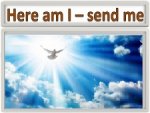


**The profound error of Christian complacency is spiritual stagnation and a false sense of security that obscures
spiritual dangers and deficiencies.
Unlike true contentment, which fosters a deeper relationship with God, complacency is a self-satisfied idleness
that replaces fervent faith with a lukewarm routine.
Core components of the error
Mistaking the status quo for peace. Complacent Christians accept spiritual stagnancy, believing a calm, unchallenging faith indicates peace. This placidity can deceive them into a passive and spiritually perilous state.
Substituting ritual for a relationship. The complacent Christian often confuses participation in religious duties with an active, heartfelt pursuit of God. This can manifest in treating church attendance as an obligation instead of an active worship experience.
Neglecting prayer and Bible study, believing past knowledge is sufficient.
Failing to grow in Christ. The Christian life is meant to be a continuous journey of sanctification, or growing more like Christ. Complacency stops this process, whether through arrogance (believing one is "good enough") or apathy (simply not caring). The Apostle Paul countered this attitude, writing, "I press on to possess that perfection for which Christ Jesus first possessed me" (Philippians 3:12).
Ignoring and justifying sin. When Christians become complacent, they grow passive about their failures before God. Small, unaddressed sins can fester, and rather than repenting, they begin to justify their behavior. This can lead to spiritual self-sufficiency where the need for repentance is masked by pride.
Becoming lukewarm. The profound error of complacency is most famously illustrated by Jesus's rebuke of the church in Laodicea. Because they were "neither hot nor cold," he threatened to "spit [them] out of My mouth" (Revelation). 3:15-1) This warning shows that spiritual indifference is not a neutral position but an offensive and dangerous one.
Failing to serve others. Complacency is inherently selfish, focusing on one's own comfort rather than the needs of others. It inhibits active participation in God's work, including outreach and accountability within the church community. A complacent mindset says, "Let someone else do it," thereby harming the collective spiritual health of the church.
Consequences of complacency
Spiritual ruin: As Proverbs 1:32 warns, "the complacency of fools will destroy them".
Diminished witness: A passive faith dulls a believer's evangelistic drive and impact on the world.
Vulnerability to temptation: Spiritual neglect leaves believers more susceptible to sin and compromise.
Loss of rewards: Jesus's parables of the talents and the ten virgins highlight how those who fail to remain
vigilant and diligent miss out on their intended blessings.
**(Intended solely as informative and subjects to reflect on.
Spiritual maturity and growth depend on the measure of one's intent. )

 Let us pray for those within the community who appear to be plagued by a disturbing condition.
**Scrupulosity is a form of Obsessive-Compulsive Disorder (OCD) characterized by excessive worry, doubt, and guilt
about religious or moral issues.
Key Features:
Obsessive thoughts: Intrusive thoughts about committing sins, violating religious beliefs, or making moral mistakes.
Compulsive behaviors: Ritualistic actions or mental checks aimed at preventing or atoning for perceived sins or moral transgressions.
Extreme guilt and shame: Intense feelings of guilt and shame over even minor perceived moral lapses.
Fear of damnation or punishment: A deep-seated fear of being punished for their thoughts or actions.
Preoccupation with religious doctrine: Excessive focus on religious rules and interpretations.
Scrupulosity can cause significant distress and impairment in daily functioning. It is important to note that scrupulosity is distinct from genuine religious faith and devotion. Individuals with scrupulosity experience intrusive and unwanted thoughts and behaviors that are not rooted in their religious beliefs.
Treatment:
Cognitive behavioral therapy (CBT), particularly exposure and response prevention (ERP), is the most effective treatment for scrupulosity. This therapy helps individuals confront their obsessive thoughts and resist their compulsive behaviors, gradually reducing their anxiety and distress. Additionally, spiritual counseling and support from religious leaders can be beneficial for some individuals.
**(Intended solely as informative and subjects to reflect on.
Spiritual maturity and growth depend on the measure of one's intent. )

 https://christianchat.com/media/the_four_candles121-mp4.5353/ (turn sound on)
**In the Bible, hope is a confident, certain expectation of future blessings based on God's faithfulness and promises, rather than mere wishful thinking. The need for this spiritual hope is evident because it provides comfort, strength, and perseverance through suffering by anchoring believers in God's character and the certainty of eternal life with Jesus. Biblical hope also transforms believers by motivating them toward holy living and good works, as they await Christ's return and the fulfillment of God's plans.
What Biblical Hope Is
Confident Expectation: It's not a vague desire but a secure, firm expectation of what God has promised.
Based on Faith and God's Character: Hope is founded on faith in God's faithfulness and his past actions in history, like the resurrection of Jesus.
An Anchor: It serves as a secure anchor for the soul, providing stability and a steadying effect during life's difficulties.
Why Christians Need Hope
To Endure Suffering: Hope provides comfort and strength, helping believers to endure hardships and trials by focusing on a greater, eternal glory.
To Live Holy Lives: Anticipating the return of Christ and the fulfillment of God's promises inspires believers to live in a way that is pure and pleasing to God.
To Motivate Good Works: A confident hope in God's future plans encourages believers to serve the Lord and participate in good works, knowing their labor is not in vain.
To Live with a New Perspective: Hope gives believers a heavenly perspective, understanding that their earthly struggles are temporary in light of the eternal life to come.
How to Cultivate Biblical Hope
Focus on God's Promises: Cling to God's faithfulness and the certainty of His promises, which are the basis for all Christian hope.
Remember Past Faithfulness: Draw strength from God's past workings in history to build trust and confidence in His future actions.
Look to the Future with Expectancy: Eagerly await the return of Jesus and the ultimate fulfillment of God's promises, grounding yourself in these future realities.
**(Intended solely as informative and subjects to reflect on.
Spiritual maturity and growth depend on the measure of one's intent. )
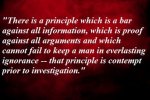



**To say that a "society has lost its spiritual equilibrium" means that the collective sense of purpose, meaning, and connection has been disrupted.
. This phrase describes a societal condition in which traditional moral and religious frameworks have declined, leading to widespread feelings of emptiness, anxiety, and social fragmentation.
-The idea suggests that when a society emphasizes purely material or rational concerns, it can lose touch with the "sacred"—the transcendent values, rituals, and shared beliefs that have historically held communities together. This can result in a society that is outwardly prosperous but inwardly distressed.
Key symptoms
-According to sociologists, psychologists, and cultural commentators, signs of a lost spiritual equilibrium include: Rise of "deaths of despair": Increased rates of suicide, drug abuse, and alcoholism are seen as markers of a deep spiritual and psychological malaise.
Decline of shared values: As traditional sources of meaning wane, so does a shared understanding of ethics, virtues, and collective responsibility. This can lead to greater social division and incivility.
Intensified individualism: The focus shifts from community and collective identity to a listless individualism, where people feel disconnected from something larger than themselves.
Increased anxiety and depression: Many observers link the rise in mental health problems, especially among young people, to a loss of spiritual connection and a feeling of being unmoored.
Disintegration of organized religion: Although "spiritual but not religious" affiliation is rising, the general decline in traditional religious participation is a key factor in losing a shared sense of the sacred.
Contributing factors
Several trends are often cited as contributing to this loss of balance:
Secularization: This is the process by which religious institutions and beliefs lose social significance. Factors like scientific advancement, globalization, and growing individualism have all weakened the influence of religion on modern life.
Hyper-rationality and materialism: An overemphasis on purely rational, scientific explanations for the world, combined with the pursuit of material possessions, can marginalize spiritual or transcendent experiences. This is sometimes referred to as the "disenchantment of the world".
Economic forces: Capitalism and the welfare state, while having many positive effects, have also relieved organized religion of many of its practical functions, further reducing its salience in daily life.
Technological distractions: Some critics argue that modern distractions, from social media to endless entertainment, consume time and attention that might otherwise be spent on spiritual growth or community engagement.
**(Intended solely as informative and subjects to reflect on.
Spiritual maturity and growth depend on the measure of one's intent. )
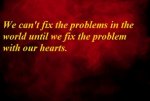
There are no words that can replace truth!


**Spiritual teaching focuses on achieving enlightenment, inner peace, and a connection with the divine, while worldly teaching concentrates on material success, human intellect, and navigating the external world
. The two types of teaching differ primarily in their source, purpose, and values.
Origin and source of wisdom
Spiritual teaching: Wisdom comes from a higher power, divine revelation, or sacred texts, and it is revealed
through faith, meditation, or inner experience. It is considered to be eternal and unachievable by human effort alone.
Worldly teaching: Knowledge is derived from human reason, academic study, and personal experience
within the physical world. It is based on observation and is constantly evolving with societal and scientific advancements.
Purpose and outcome
Spiritual teaching: The ultimate goal is enlightenment, salvation, or a deeper understanding of one's purpose beyond the material world. It provides an eternal perspective that can lead to inner peace and righteousness.
Worldly teaching: The objective is to achieve success, wealth, happiness, or social status within one's lifetime.
Its outcomes are often temporary and limited to earthly concerns.
Core values and focus
Spiritual teaching: Emphasizes values such as love, mercy, humility, compassion, and a focus on serving others. It views the intangible, spiritual, and eternal as most important.
Worldly teaching: Prioritizes material possessions, self-interest, and personal achievements.
It focuses on the measurable, physical, and tangible aspects of life.
Perception of reality
Spiritual teaching: Teaches that there is a deeper reality beyond what can be perceived by the five senses.
Spiritual truths may seem illogical from a purely human perspective, but are considered a higher form of wisdom.
Worldly teaching: Considers reality to be the external world and what can be experienced through the five senses.
It often overlooks or rejects truths that lie beyond the material plane.
Approach to life's challenges
Spiritual teaching: Encourages patience, faith, and forgiveness, viewing challenges as opportunities
for growth and spiritual refinement.
Worldly teaching: May prioritize quick solutions, personal ambition, or material gain to overcome difficulties.
It can sometimes lead to impatience and jealousy.
Comparison
A spiritual teacher may focus on cultivating inner peace through meditation or prayer to help manage stress.
A worldly teacher would advise building practical skills, like time management, to reduce stress from the workload.
**(Intended solely as informative and subjects to reflect on.
Spiritual maturity and growth depend on the measure of one's intent. )
Knowing the importance of acknowledging and accepting the difference surely has a significant outcome in one's life
for the hope of adhering to the Holy Spirit's guidance in this life, here in the now, where the necessary
preparation should surely be made aware of, and perhaps one may not be left stranded when most needed.


**In many spiritual and psychological frameworks, a person who has not yet experienced a spiritual transformation is considered to be living primarily from their ego-self and worldly attachments.
'They are often described as being "asleep," or unawakened, to the deeper, transcendent reality that lies beyond their immediate thoughts, emotions, and external life.
This person's state can be defined by the following characteristics:
Identification with the ego: Their sense of self is based on their conditioned mind, including their personality, beliefs, history, and possessions. This leads to a strong sense of separation from others and a focus on self-interest.
Worldly focus: Their primary motivations revolve around external achievement, validation, material possessions, and the drama of everyday life. They may be caught in a cycle of seeking and dissatisfaction, which can manifest as feeling "stuck" or unfulfilled despite outward success.
Limited perspective: They perceive reality through a narrow, logical lens and may have difficulty comprehending spiritual or metaphysical concepts. This can cause them to dismiss awakened individuals as irrational or "weird".
Reactive emotional state: They are more likely to be governed by their emotions and external circumstances, often leading to a state of internal conflict, anxiety, or depression. The "dark night of the soul," a period of intense crisis, often precedes a transformation, and the unawakened person is still facing that potential crisis.
Dependence on external authority: They often look to outside sources like religious texts, teachers, or communities for answers, rather than turning inward to their own intuition. Unlike a person in the later stages of transformation, their authority is external, not internal.
Disconnection from a higher power: They may hold intellectual beliefs about a divine or sacred reality but lack a deep, experiential connection to it. As one source describes, a conversion involves not just mental acceptance but a "motivating faith" that transforms one's understanding of life's meaning.
{Resistance to change:} The process of spiritual transformation involves letting go of old beliefs and comfort zones, which can be frightening. A person who has not yet transformed is still actively resisting this vulnerability and discomfort, remaining in the familiar despite its limitations.
**(Intended solely as informative and subjects to reflect on.
Spiritual maturity and growth depend on the measure of one's intent. )

"dark night of the soul" is a fearful time to experience!

**Divine intervention is the concept of a divine power, such as God, actively engaging with and altering human affairs or worldly events, often resulting in seemingly miraculous or unexplainable positive outcomes. It can range from direct visual manifestations of a deity to subtle influences on circumstances, typically seen as a response to prayers or to prevent calamity.
Key Aspects of Divine Intervention:
Involvement of a deity: The term implies an active role from a higher power, God, or a supernatural force.
Alteration of events: The core idea is that this deity not only oversees but actively changes situations in the human world. (Amen)
Miraculous outcomes: Divine intervention often explains events that appear to have been miraculously influenced or that turned out well against the odds. (Amen)
Guidance and protection: Interventions can be seen as a guiding hand, protecting individuals or guiding them toward a specific purpose or outcome. (Amen)
Direct or indirect forms: It can take the form of direct appearances, visions, or miracles, or indirect actions such as influencing weather patterns or bringing about coincidental events. (Amen)
Alignment with divine purpose: In religious contexts, divine interventions are often believed to align with the overarching plan and character of the deity.
Evolution of the Term:
Religious roots: The concept has ancient roots in religious texts and can be seen in concepts like divine providence, which describes God's foreseeing care and guidance.
Secular use: By the early 20th century, the phrase expanded into secular discourse to describe any event that seemed guided by a greater force, especially when a difficult situation suddenly resolves favorably.
**(Intended solely as informative and subjects to reflect on.
Spiritual maturity and growth depend on the measure of one's intent. )


**Psychologically speaking, a "demon" is not a literal entity but a metaphor for deeply rooted, destructive patterns of thought, behavior, or complexes that negatively impact an individual's life. It represents negative psychological states like unchecked rage (wrath), pride, envy, gluttony, greed, lust, or sloth, or a powerful, destructive inner complex that has gained control over a person's will and actions. The concept can also encompass the psychological processes behind the human tendency to anthropomorphize the unknown as a hostile force.
Metaphorical Meanings of "Demon"
Negative Mental Complexes: A "demon" can be a powerful, destructive mental complex or a deep-seated pattern of negative thoughts and impulses that control an individual's actions and emotions.
Embodiments of Destructive Virtues: In some psychological frameworks, "demons" can be seen as the negative aspects of archetypes, representing forces that are both destructive and creative, shaping the individual.
Projection of Fear: From an anthropological viewpoint, the concept of a demon can stem from human fear of the unknown and potentially dangerous forces, which are then projected onto other entities.
Psychological Phenomena vs. Supernatural Beings
Figurative Language: When someone says, "You've woken the demon in me," they are using a figure of speech to describe the unleashing of intense emotions like anger, not literal possession.
Psychological Insight: The reality that analytical psychology attributes to demons is not a literal existence but their ability to provide insight into the human psyche.
Cultural Interpretation: In a therapeutic context, psychotherapy addresses these metaphorical "demons"—such as psychological traumas and negative complexes—while traditional exorcism addresses demons as literal entities.
In summary, when defining a demon psychologically, it refers to a powerful, negative internal force that exerts control over an individual, leading to harmful thoughts, emotions, or behaviors rather than an actual supernatural spirit.
**(Intended solely as informative and subjects to reflect on.
Spiritual maturity and growth depend on the measure of one's intent. )
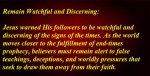
'Surely it is being witnessed, all is not well within the confines of society, collectively
and as a whole. Deception and great falseness abound, and sadly, this includes the Christian society.
'Conceivably, there are those harboring undue burdens due to listening to and watching those
bent on gathering an audience by knowingly or otherwise misleading the reader. Consequences
may surely lead to bizarre concepts that conceivably destabilize a person's soundness of mind.
'Spiritual flexibility is the ability to adapt and adjust to changing circumstances and pressures while remaining grounded in one's core values and beliefs.