
What if Halloween with no costumes, will it be a Halloween then?Freudian typo especially just past Halloween where the costumes - sorry, "vestments" - give special recognition powers.

What if Halloween with no costumes, will it be a Halloween then?Freudian typo especially just past Halloween where the costumes - sorry, "vestments" - give special recognition powers.
Agree. But I'm sure you and I disagree.
Not a very good analogy unless we want to discuss how Rome created its own culture and all the Woodstock attendees are the sheep of denomination Rome while the non-Rome don't attend the show. Not that one at least.
Your other photos seemed to have fallen flat also according to @ChristRoseFromTheDead.
What you want to say? What a funny sentence!
What if Halloween with no costumes, will it be a Halloween then?
You don't get my point.
It is not the Catholic Church on the stage. It is Jesus.
Not me who has fallen flat, you slipped.
Freudian typo especially just past Halloween where the costumes - sorry, "vestments" - give special recognition powers.

Do you have a writing difficulty? You sentence is incomprehensible .The problem with analogies is they can be reframed and corrected.
Where you see Jesus on stage and the "faithful" - some near & some further away from the stage - others may well see the head of Rome and his faithful some near the stage and some further away, and wonder why your blindness.

Completely irrelevant. Nobody in the Church is “superior” except Jesus.No difference? not really!

A soldier salutes a superior officer when he or the officer are in uniform. This is not required when in civilian clothes.
There is a vast difference between functional garments and “vestments” worn by self-appointed “authorities”.
You tell the fire fighter that his 'vestment' give him no power, no need to put them on when carrying out duty.
When the priest is representing Jesus in a scarament, he is superior.Completely irrelevant. Nobody in the Church is “superior” except Jesus.
You tell the fire fighter that his 'vestment' give him no power, no need to put them on when carrying out duty.
Do you have a writing difficulty? You sentence is incomprehensible .
Or leaving me to 'figure it' out again?
You'll figure it out.Which sentence - the previous one you don't understand or the ones you just quoted for the above comments?
Not in the least. What you have is a man-made tradition with no biblical warrant. You may be familiar with the tradition and therefore see rank where there is none, but you won’t convince me or anyone who knows Scripture well to agree with your tradition.When the priest is representing Jesus in a scarament, he is superior.
Just like a general in uniform, he is superior over a private.
There is nothing in John 20:23 indicating to me that Jesus was "giving authority" to the disciples to forgive sins committed against God. Elsewhere in scripture Jesus instructs His disciples that it is their duty to forgive sins against themselves for which they had received an apology , and warned them that there would be awful repercussions for disciples withholding forgiveness from someone who had said sorry,. He also commands us to do the best we can to be at peace with all men before praying or giving an offering to God , taking our complaints about unforgiven offences to the person concerned privately, then with two or three others and then to the church to give the offender all possible opportunities to apologise, or to learn from others that I was the unreasonable one who should apologise.
Not in the least. What you have is a man-made tradition with no biblical warrant. You may be familiar with the tradition and therefore see rank where there is none, but you won’t convince me or anyone who knows Scripture well to agree with your tradition.
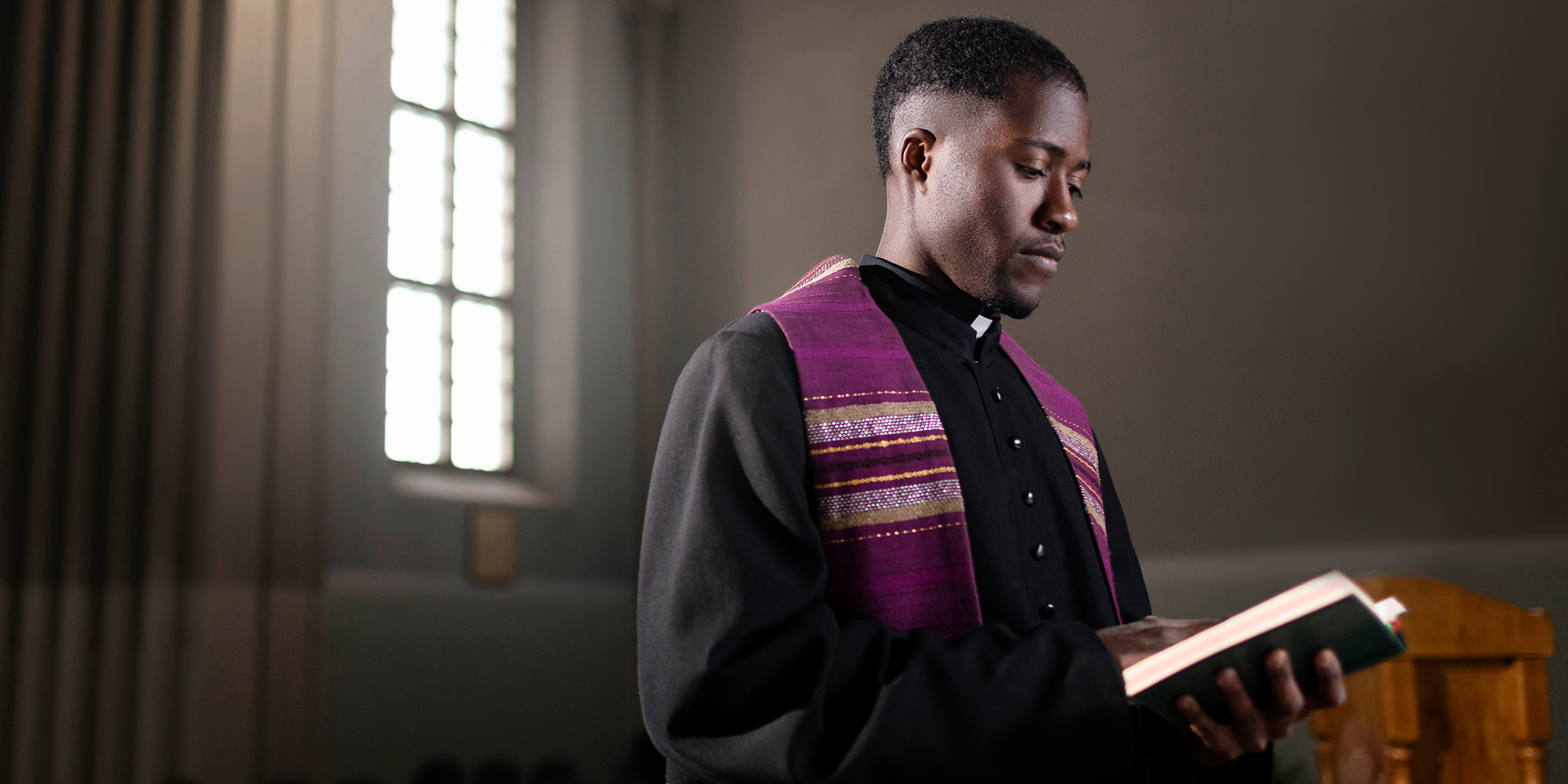
I think you have not read Leviticus. There is a full chapter to describe how Levi priests should dress and act when they serve the tabernacle and later the temple. These are intructions from GOD on how to worship HIM.Not in the least. What you have is a man-made tradition with no biblical warrant. You may be familiar with the tradition and therefore see rank where there is none, but you won’t convince me or anyone who knows Scripture well to agree with your tradition.

The robes in a protestant church don’t convey any superiority either. The entire practice is a holdover from old covenant practice where priests needed to be identifiable because they were literally set apart for their work.
That is a tradition kept by many protestant denominations as well.
The protestant clergies do put on robe, stole and collar in service, prototyping Catholic priests vestments.
Why do Catholic priests need not be identifiable and are literally set apart for performing sacraments.The robes in a protestant church don’t convey any superiority either. The entire practice is a holdover from old covenant practice where priests needed to be identifiable because they were literally set apart for their work.
The Church doesn’t have the role of priest as the OT did. There is no need for fancy vestments.